Decommissioned
de·com·mis·sion
verb
past tense: decommissioned; past participle: decommissioned
withdraw (something, especially weapons or military equipment) from service
verb
past tense: decommissioned; past participle: decommissioned
withdraw (something, especially weapons or military equipment) from service
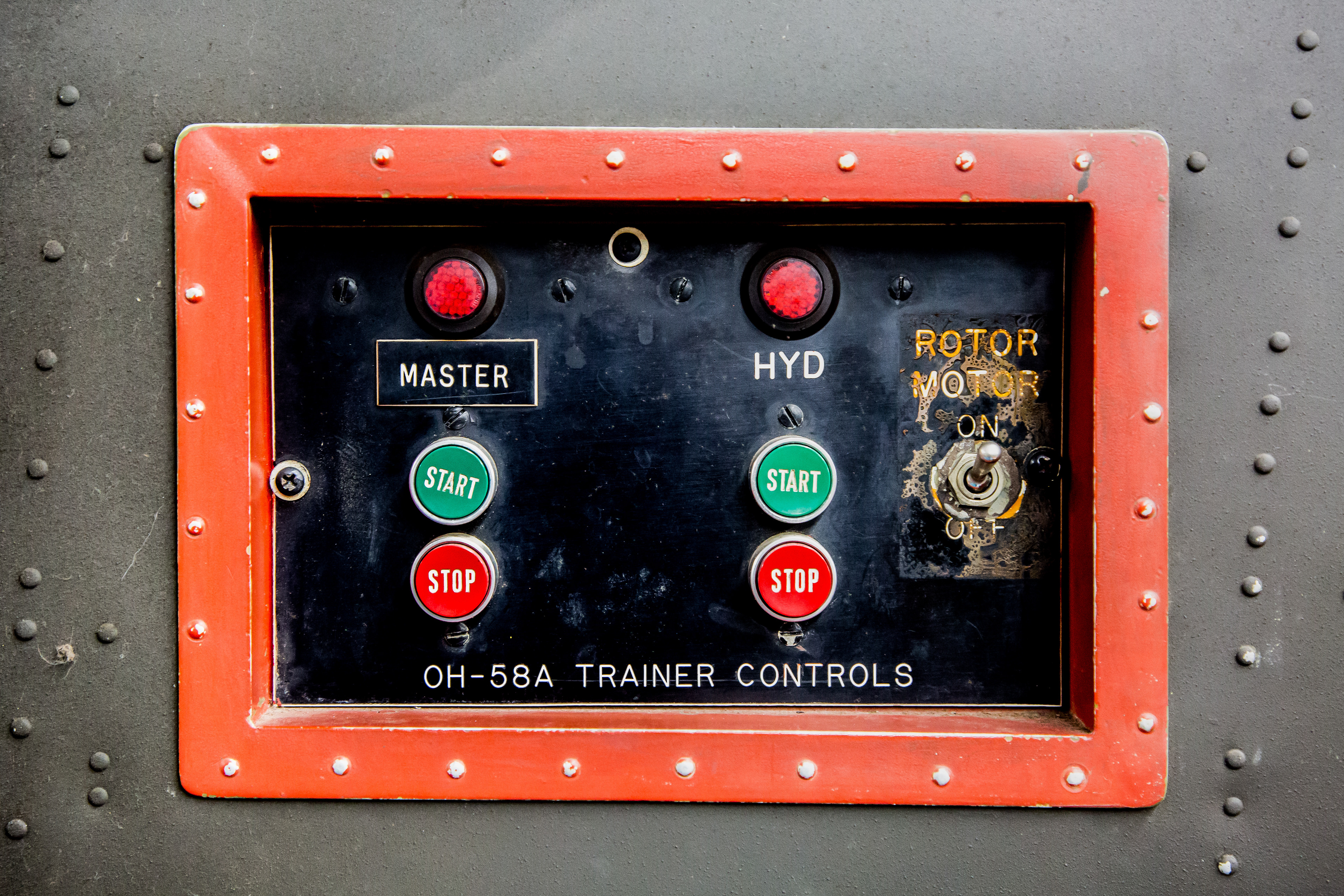
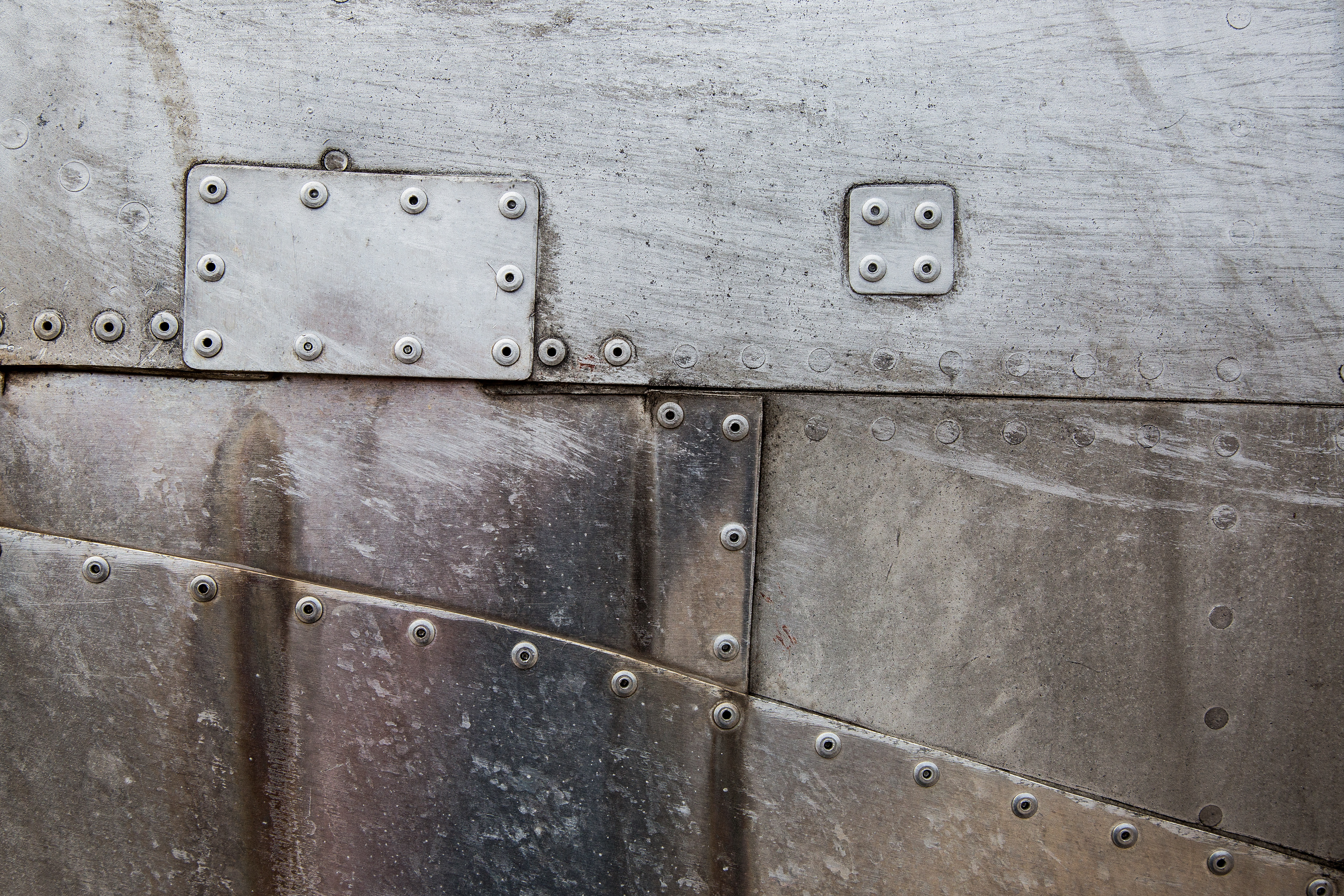
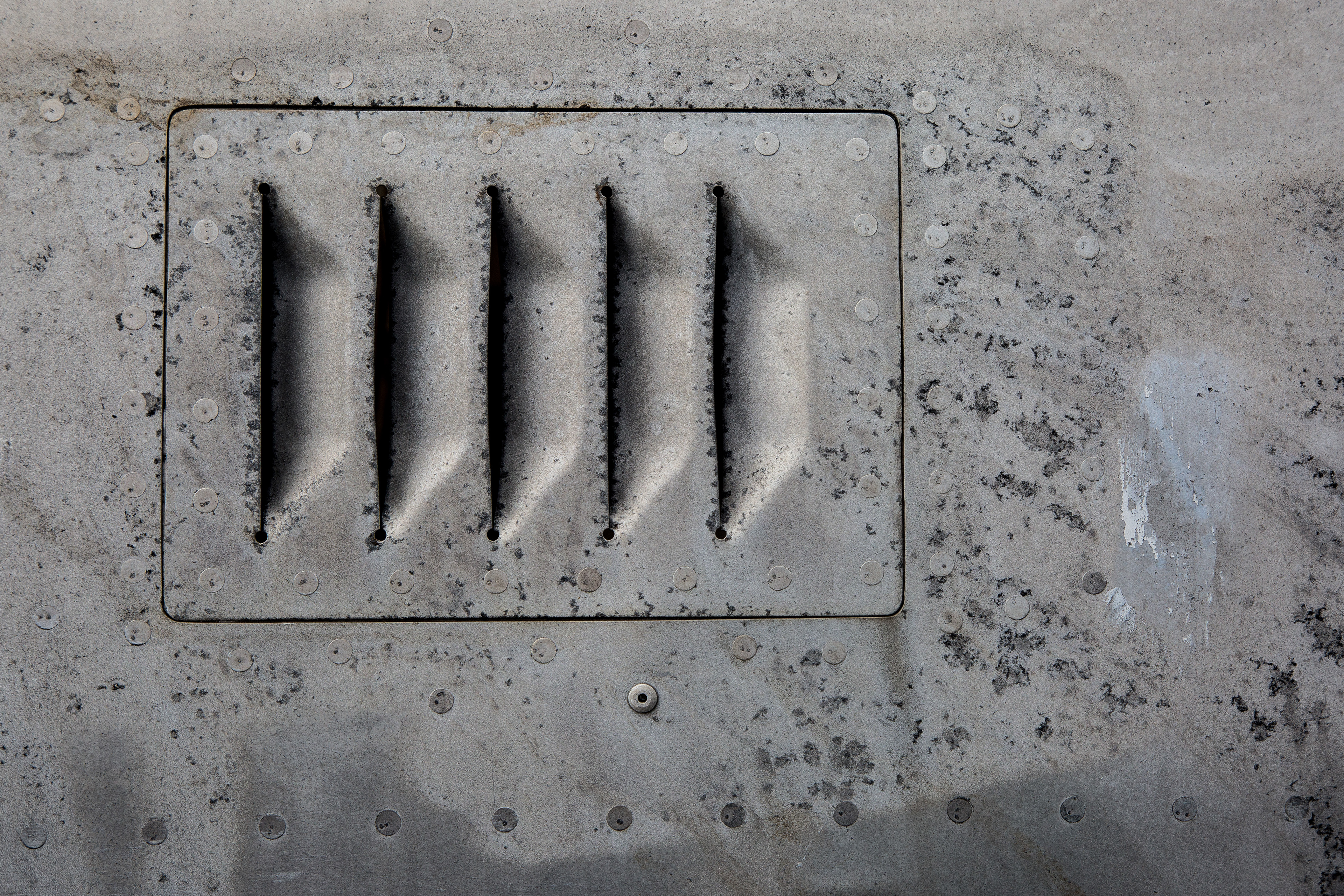
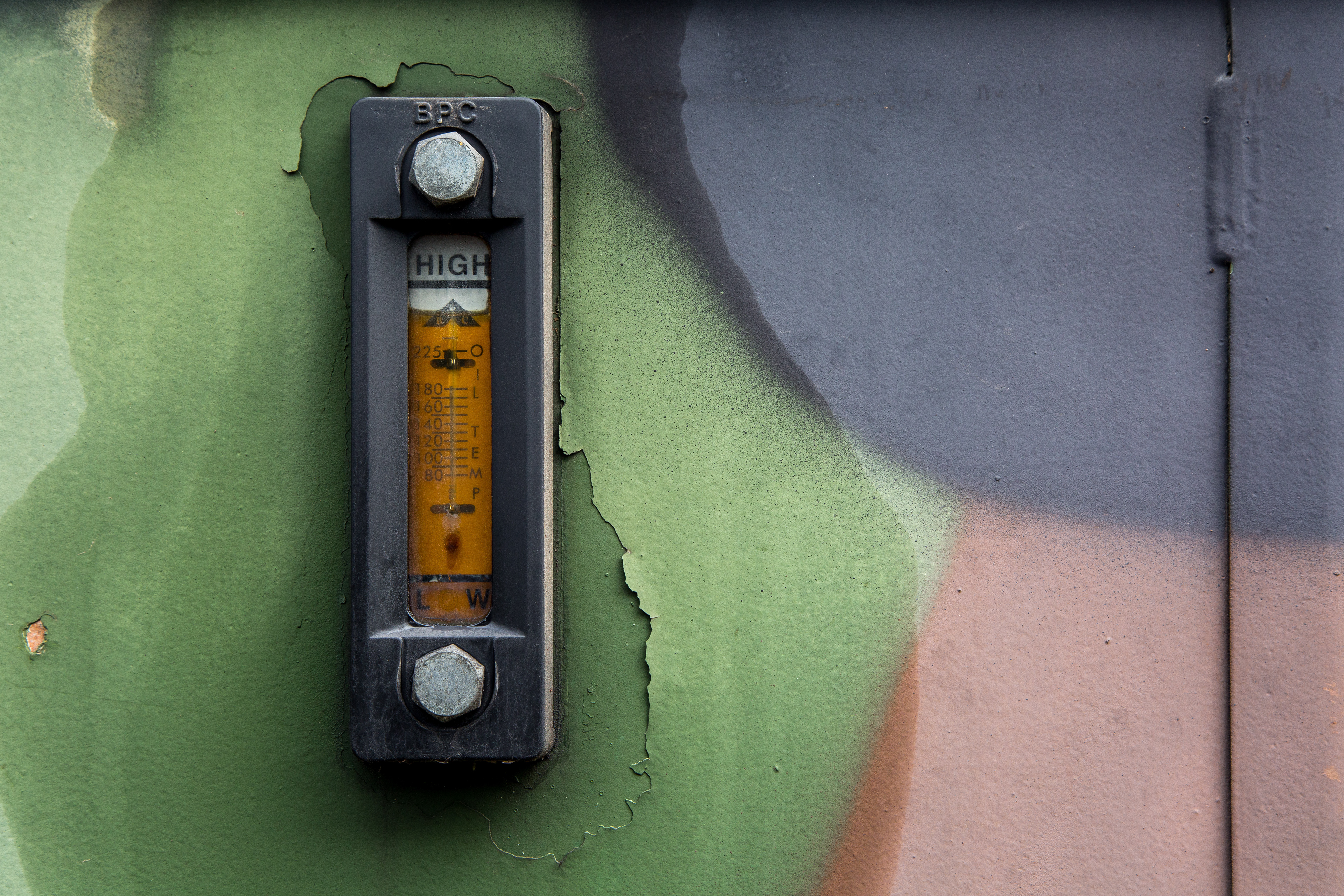
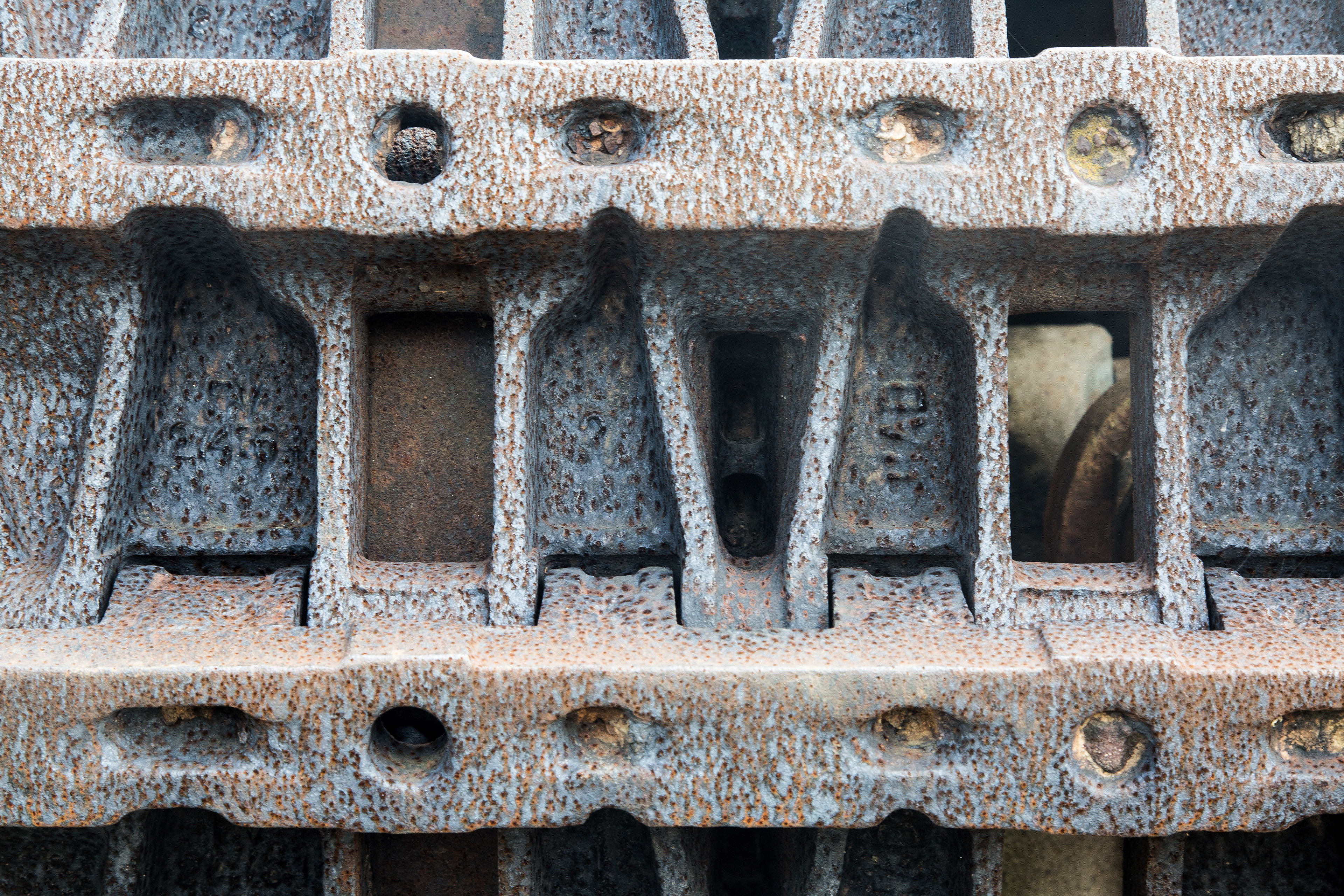
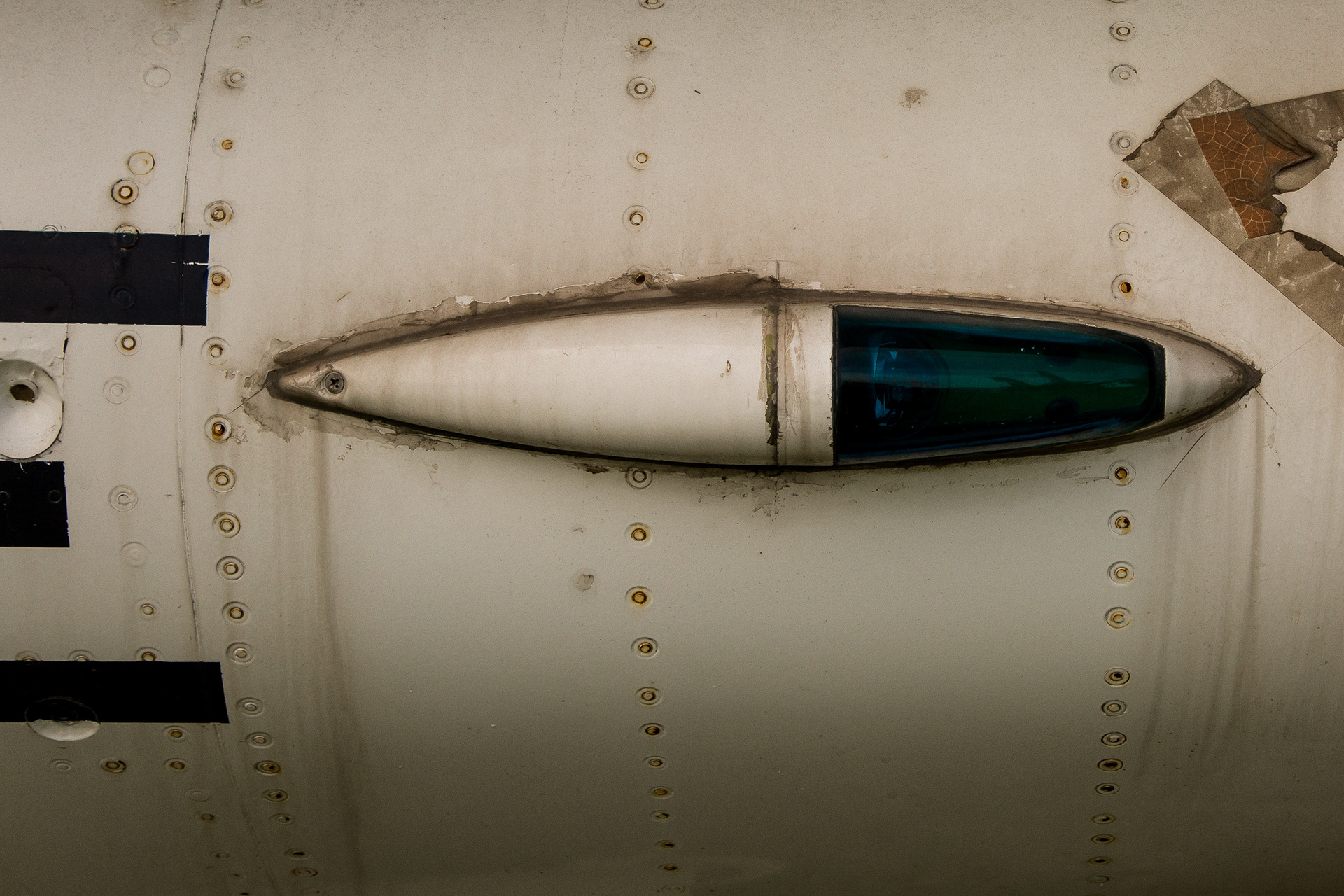
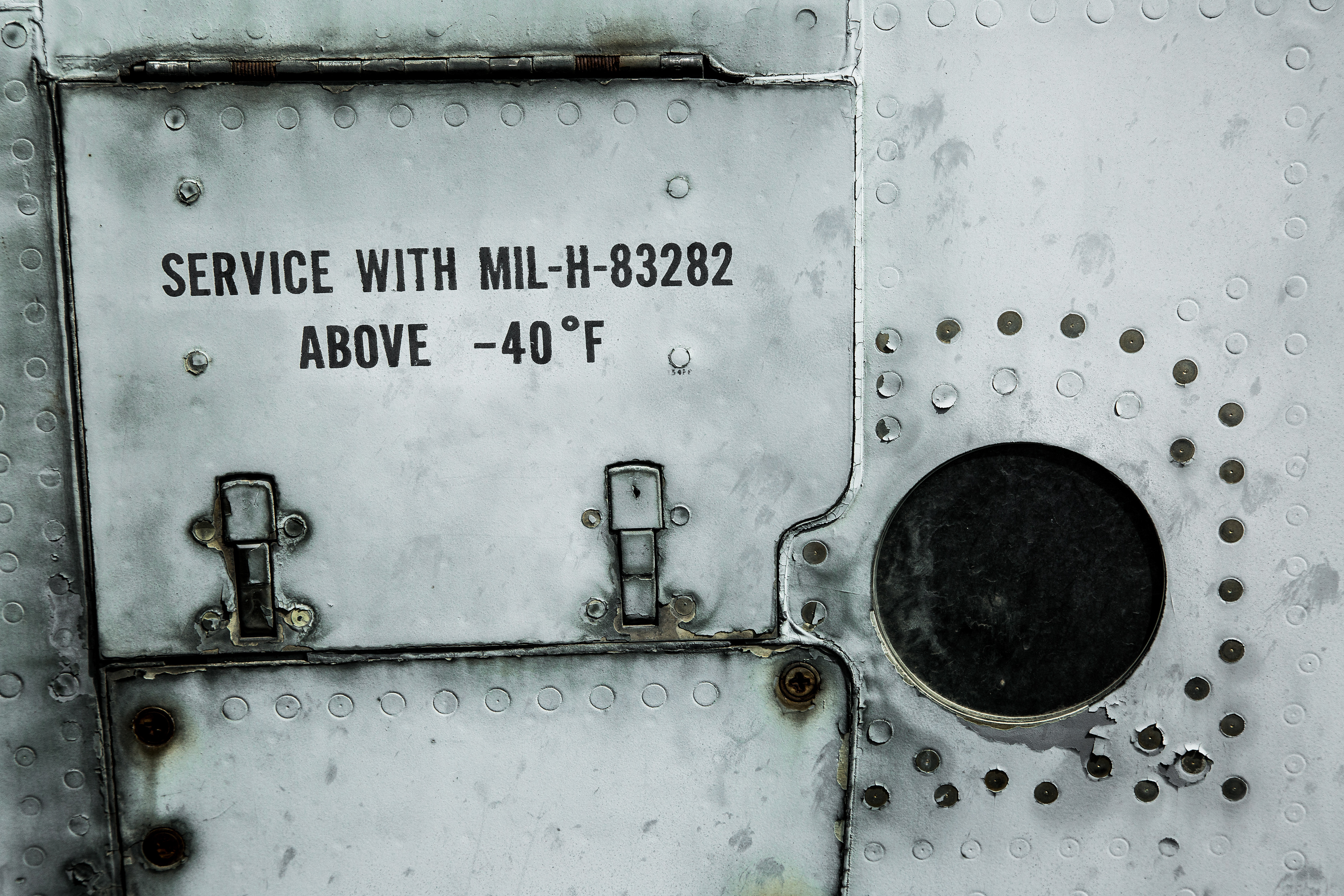
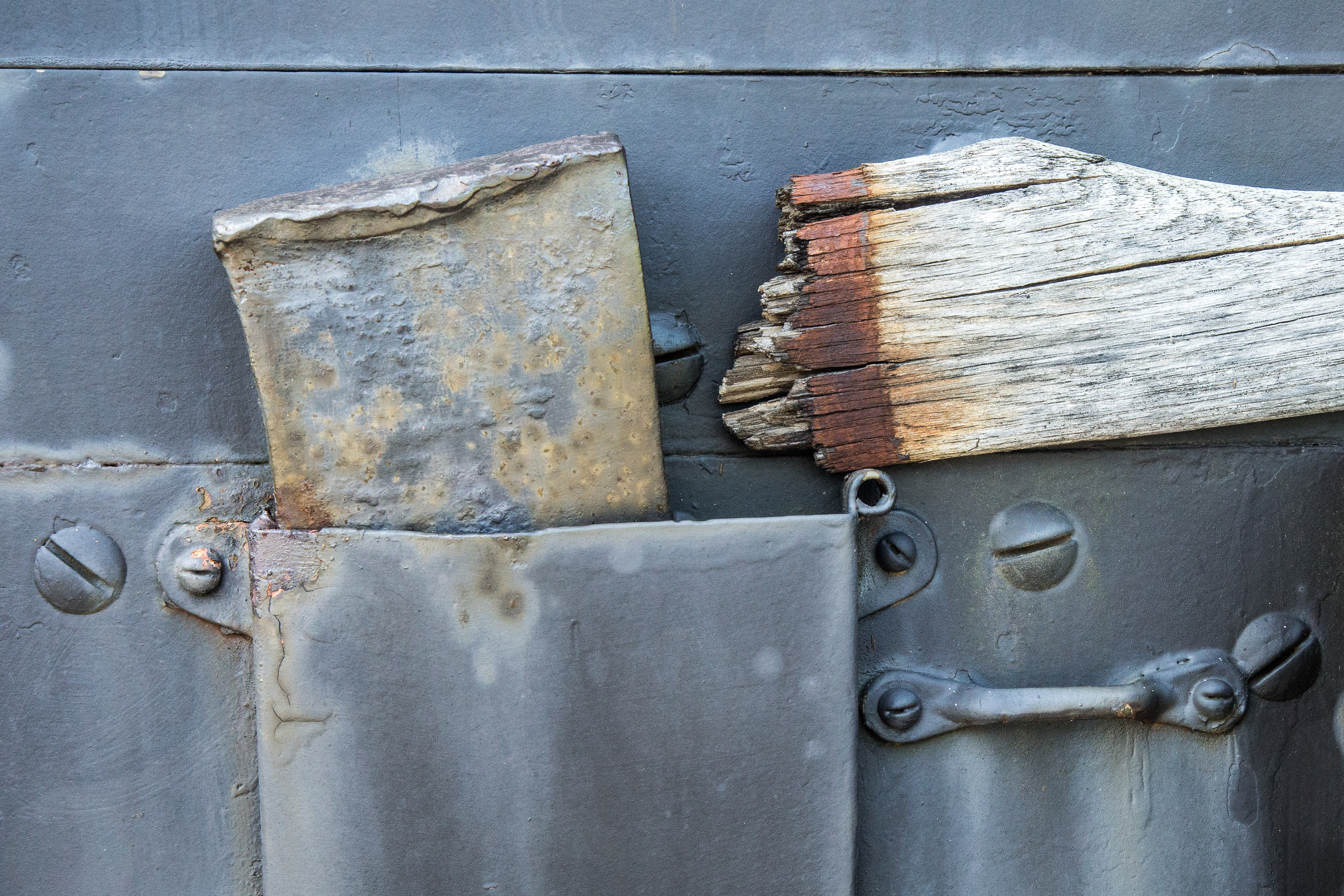
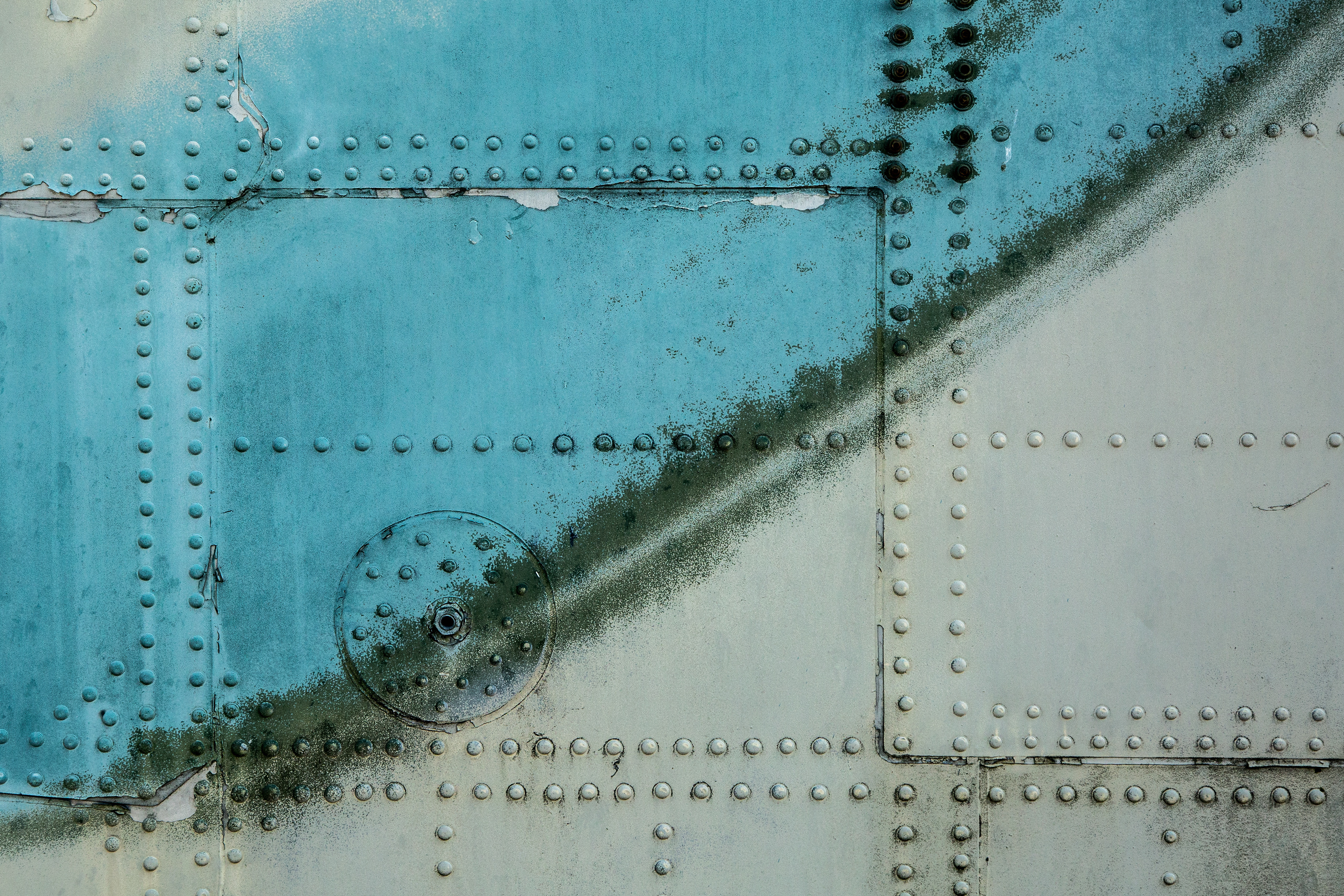
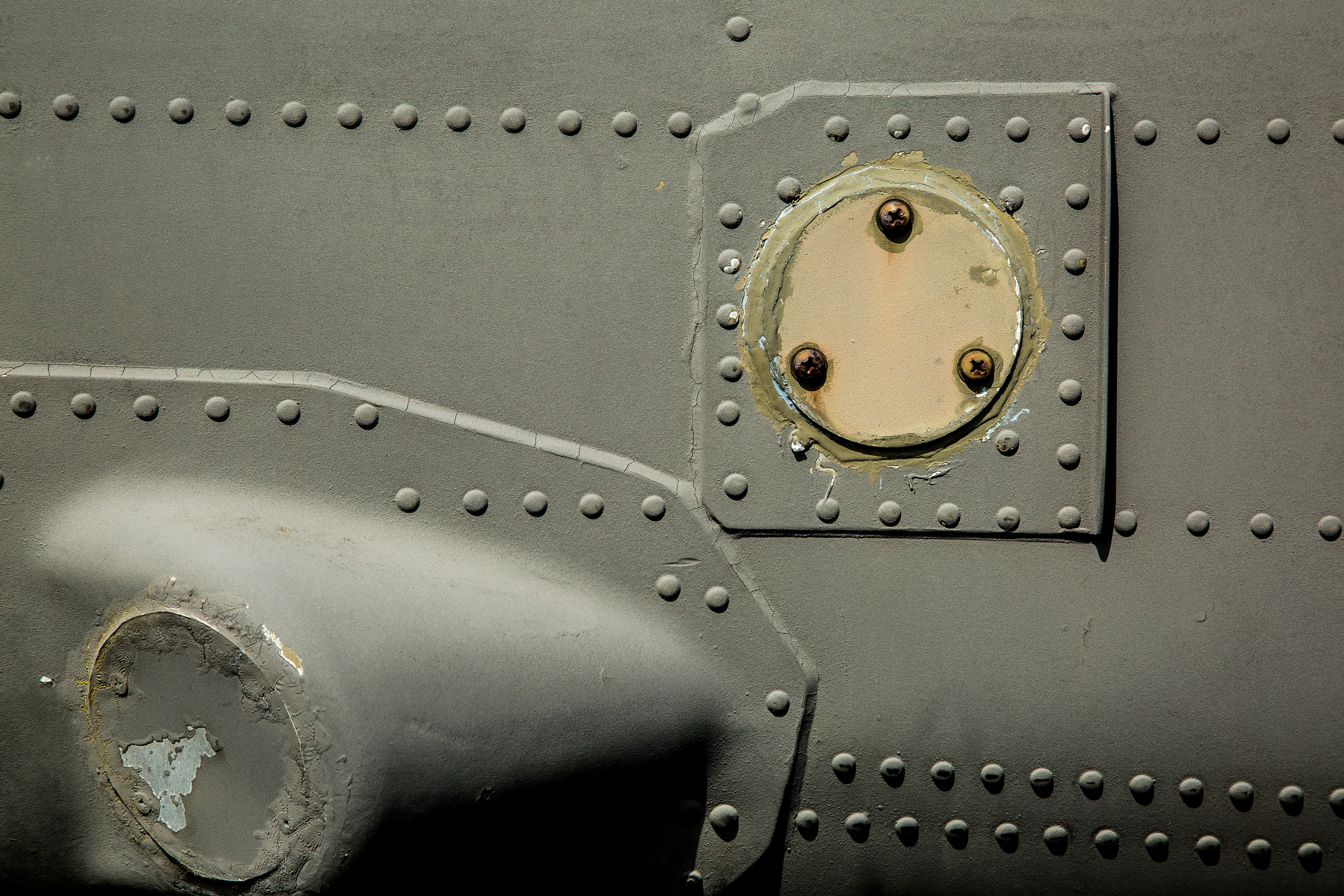
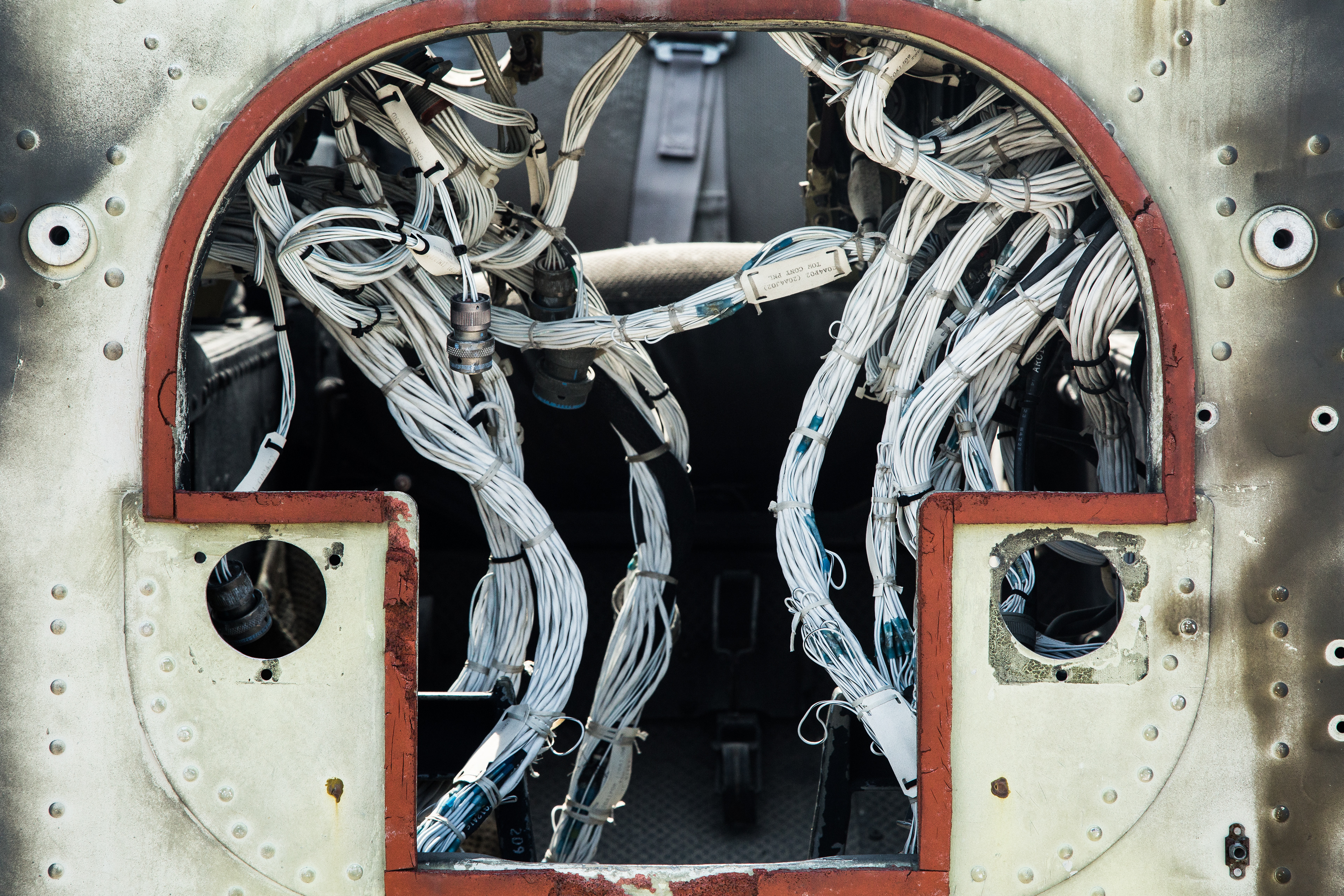
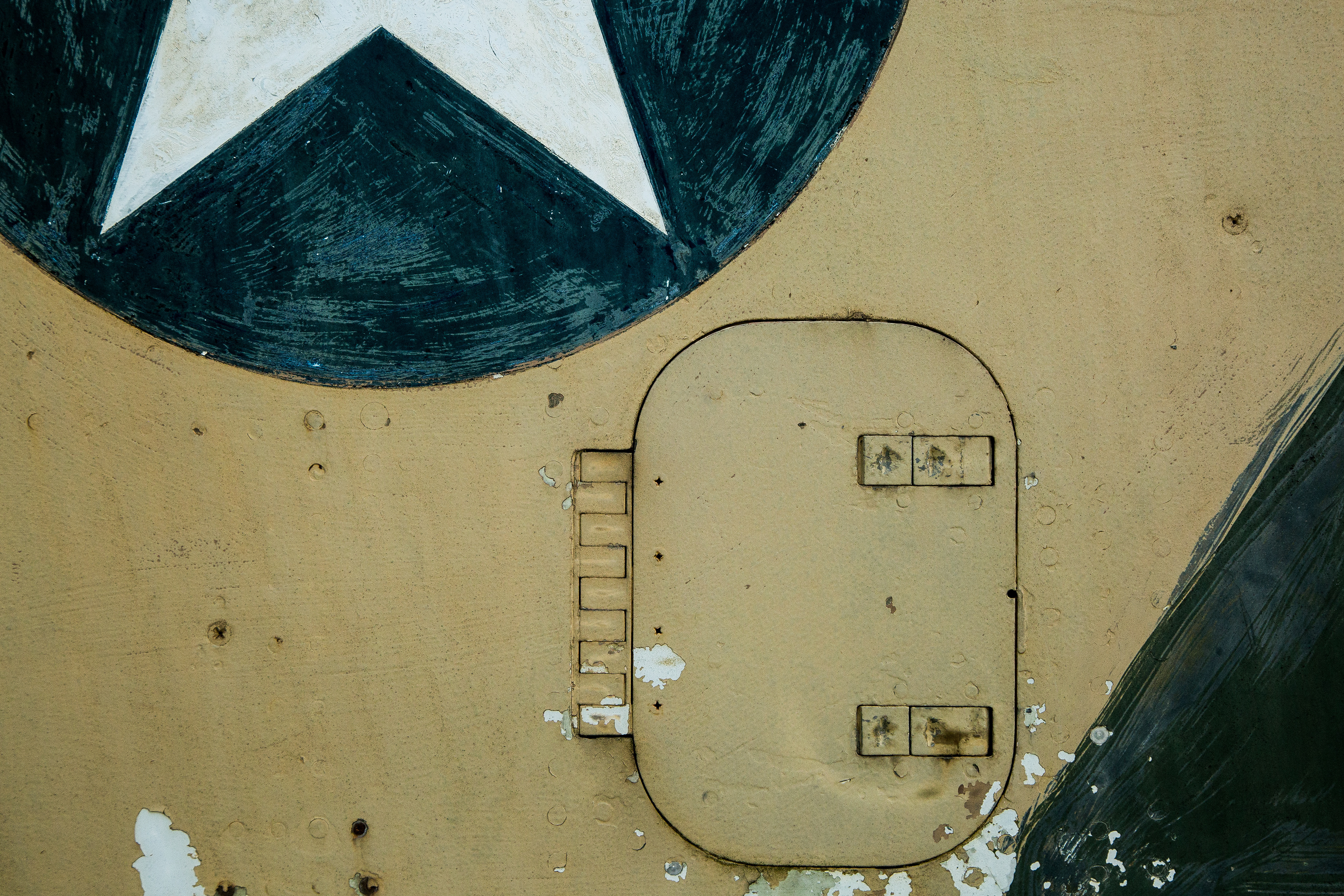
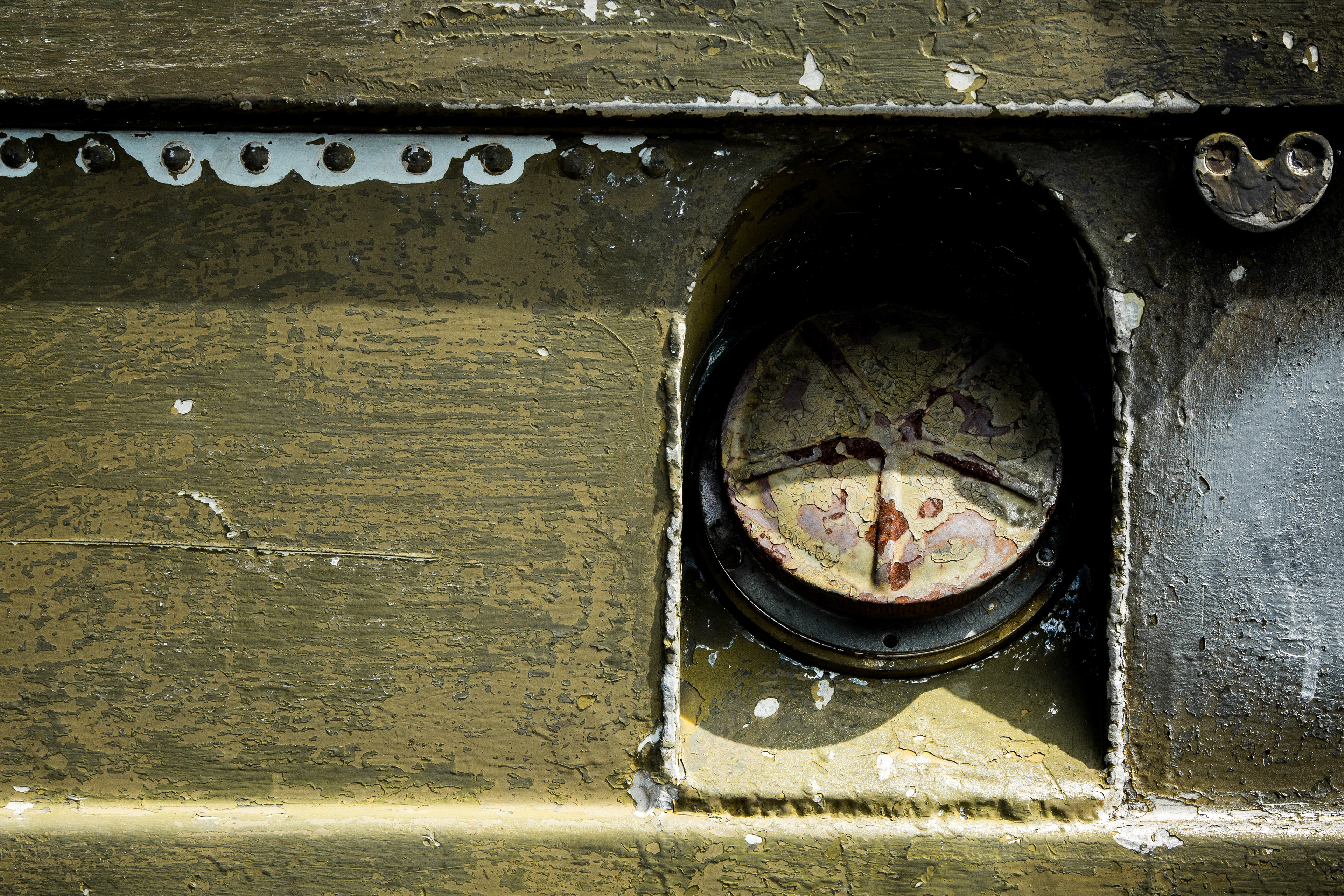
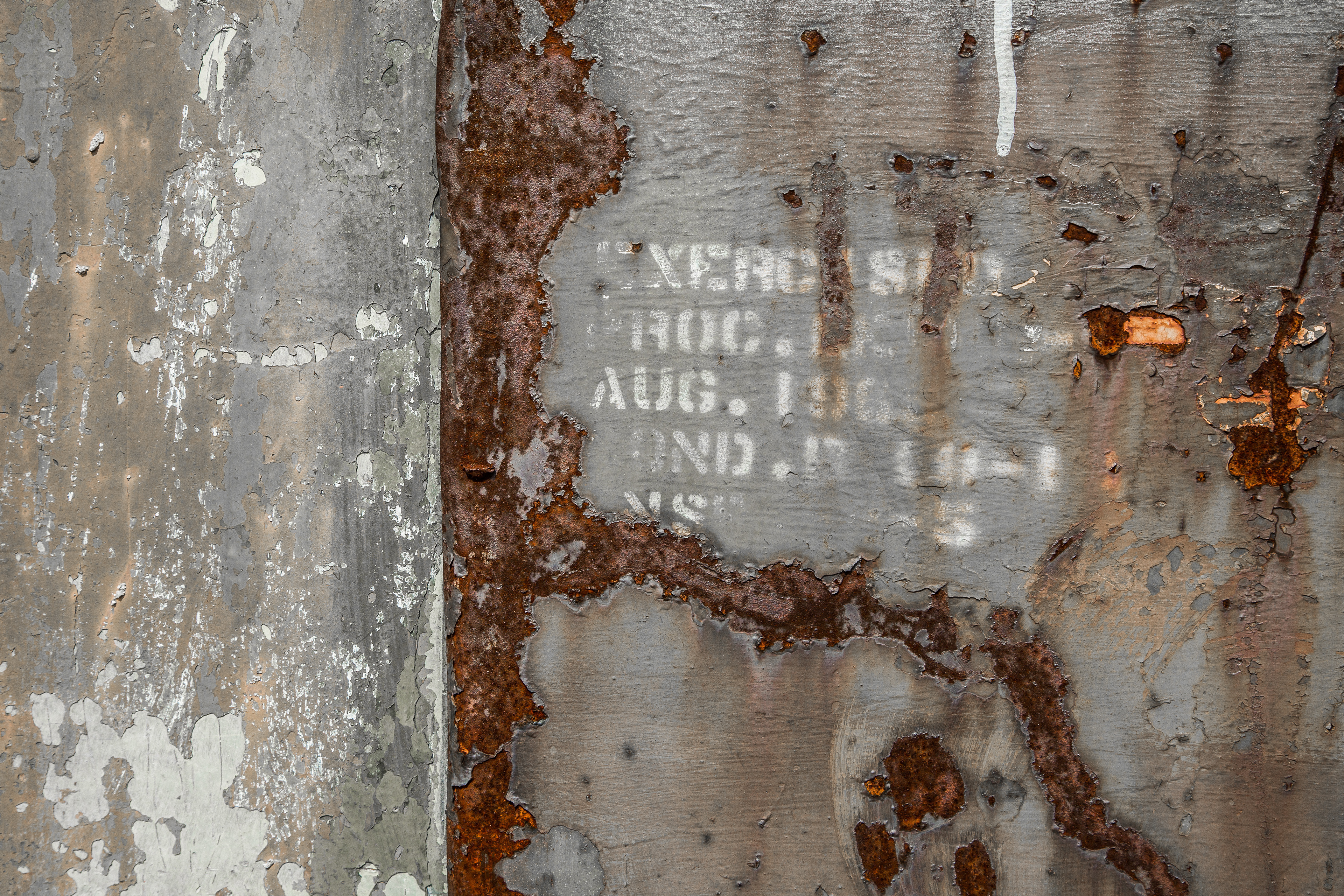
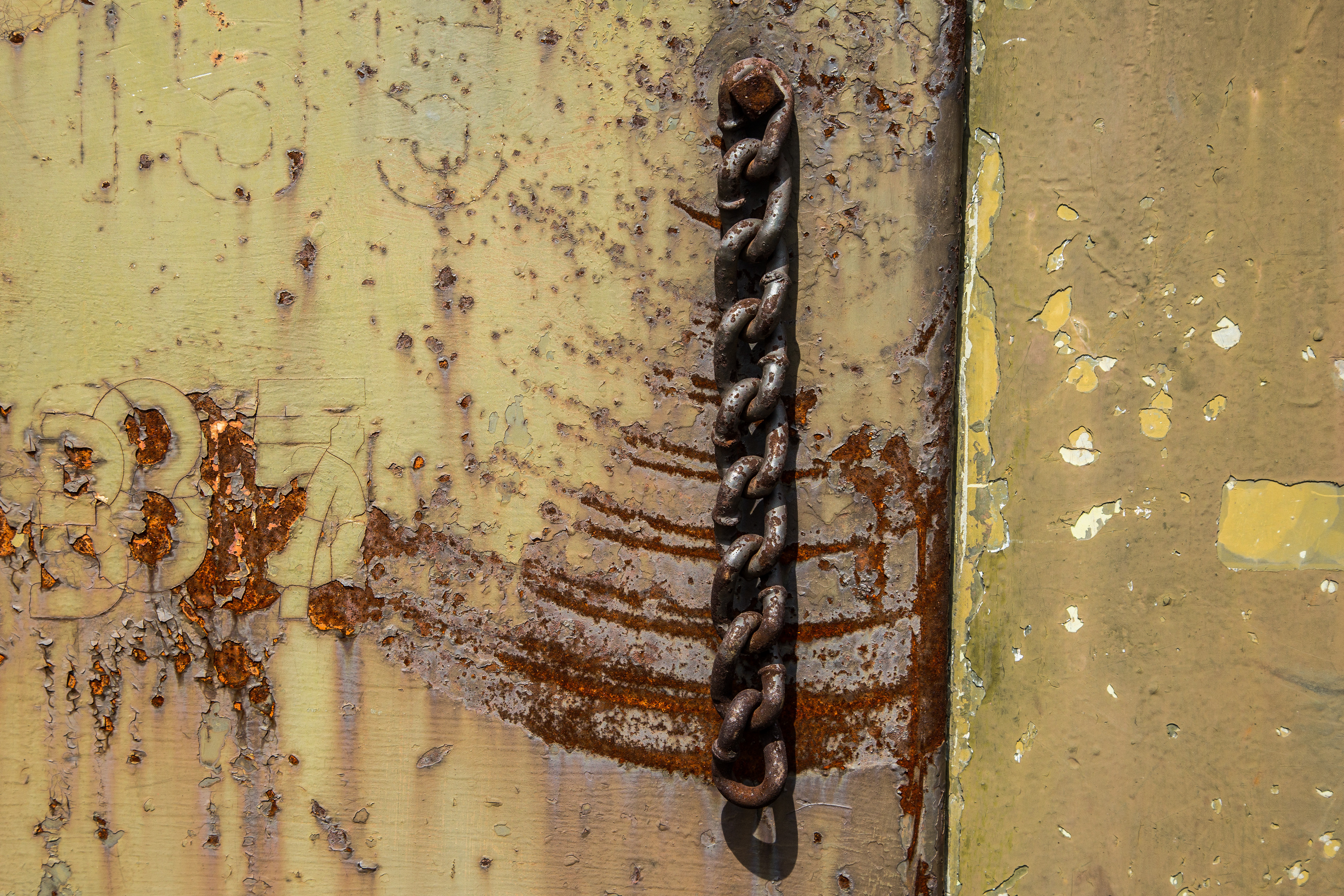
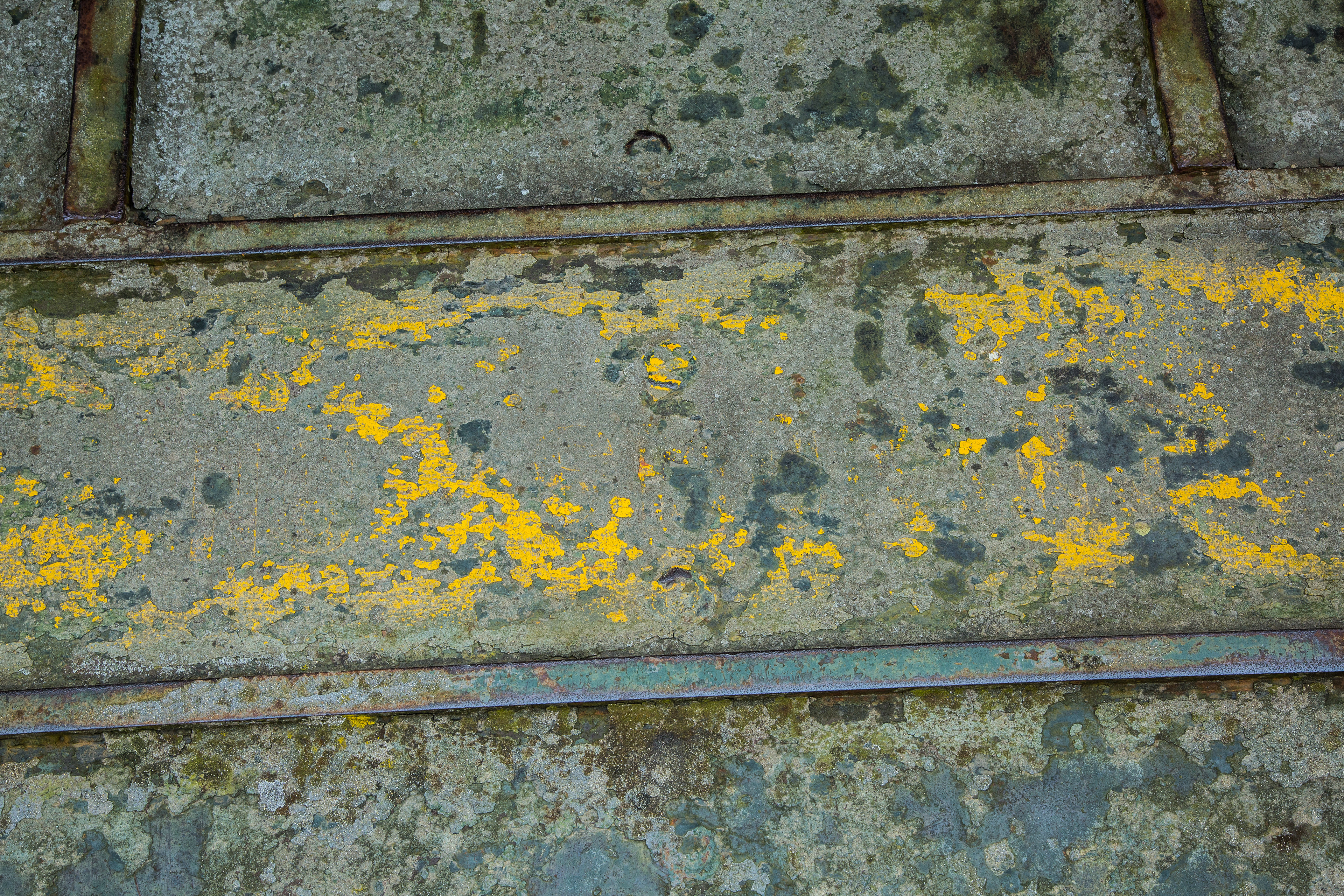
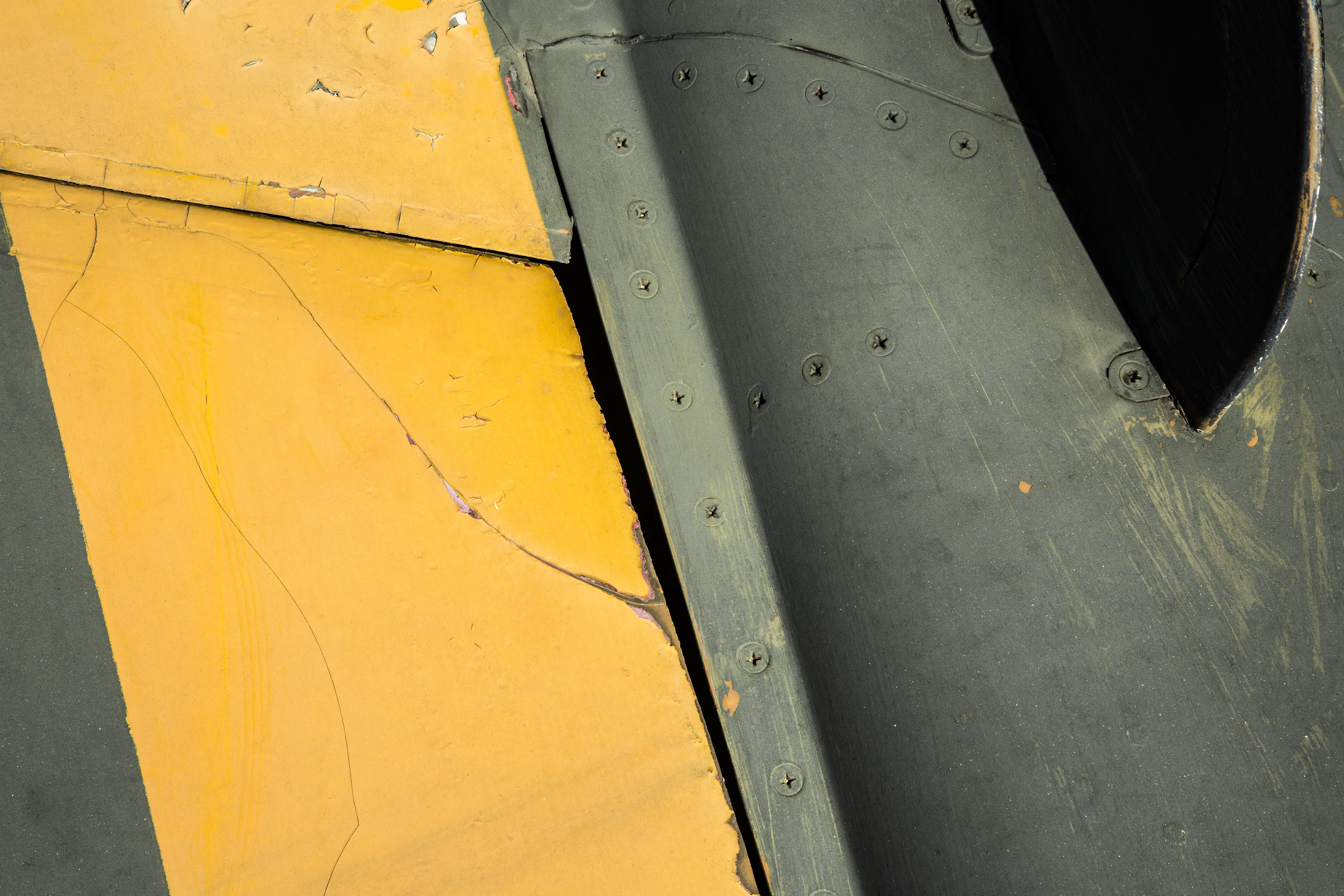
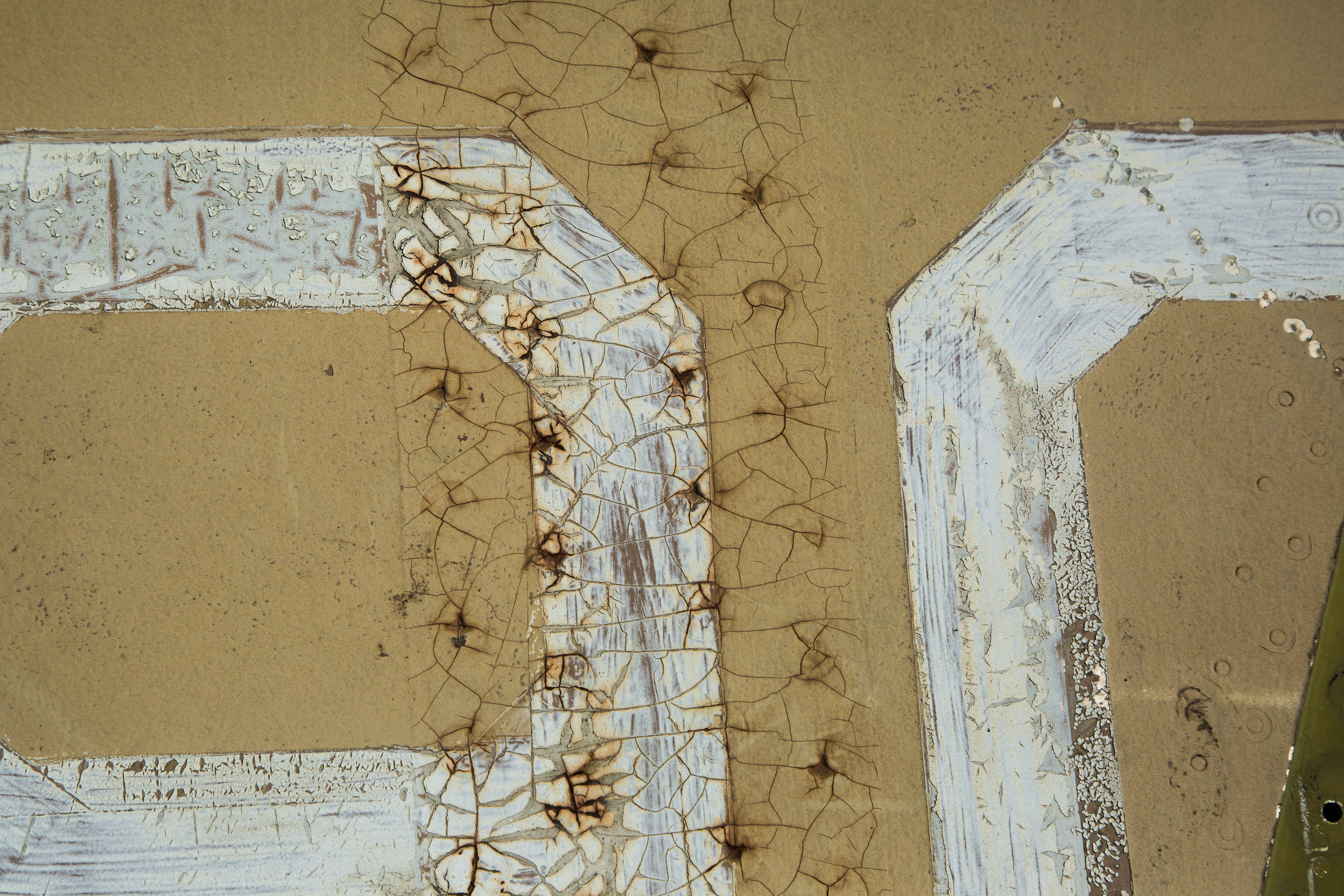
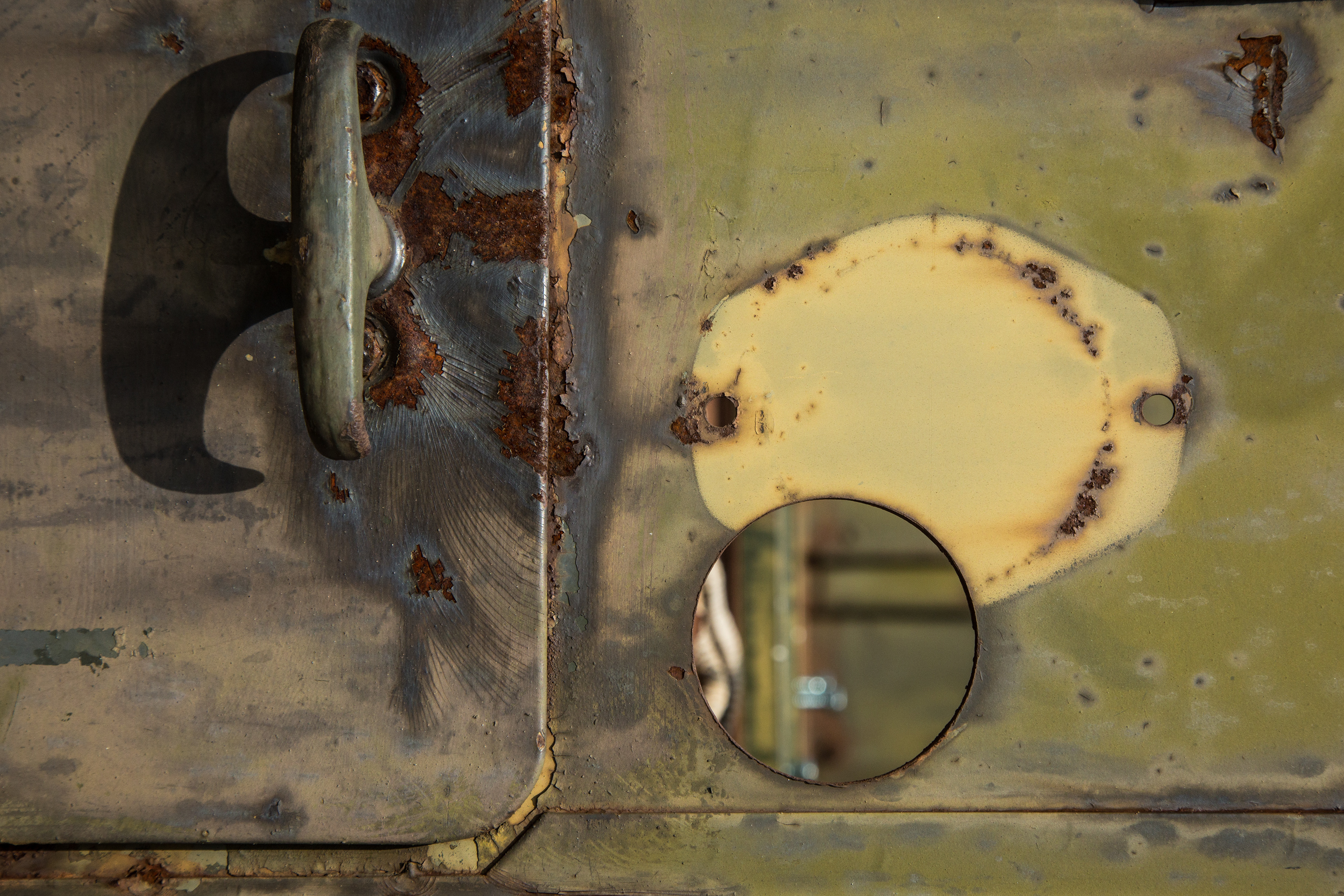
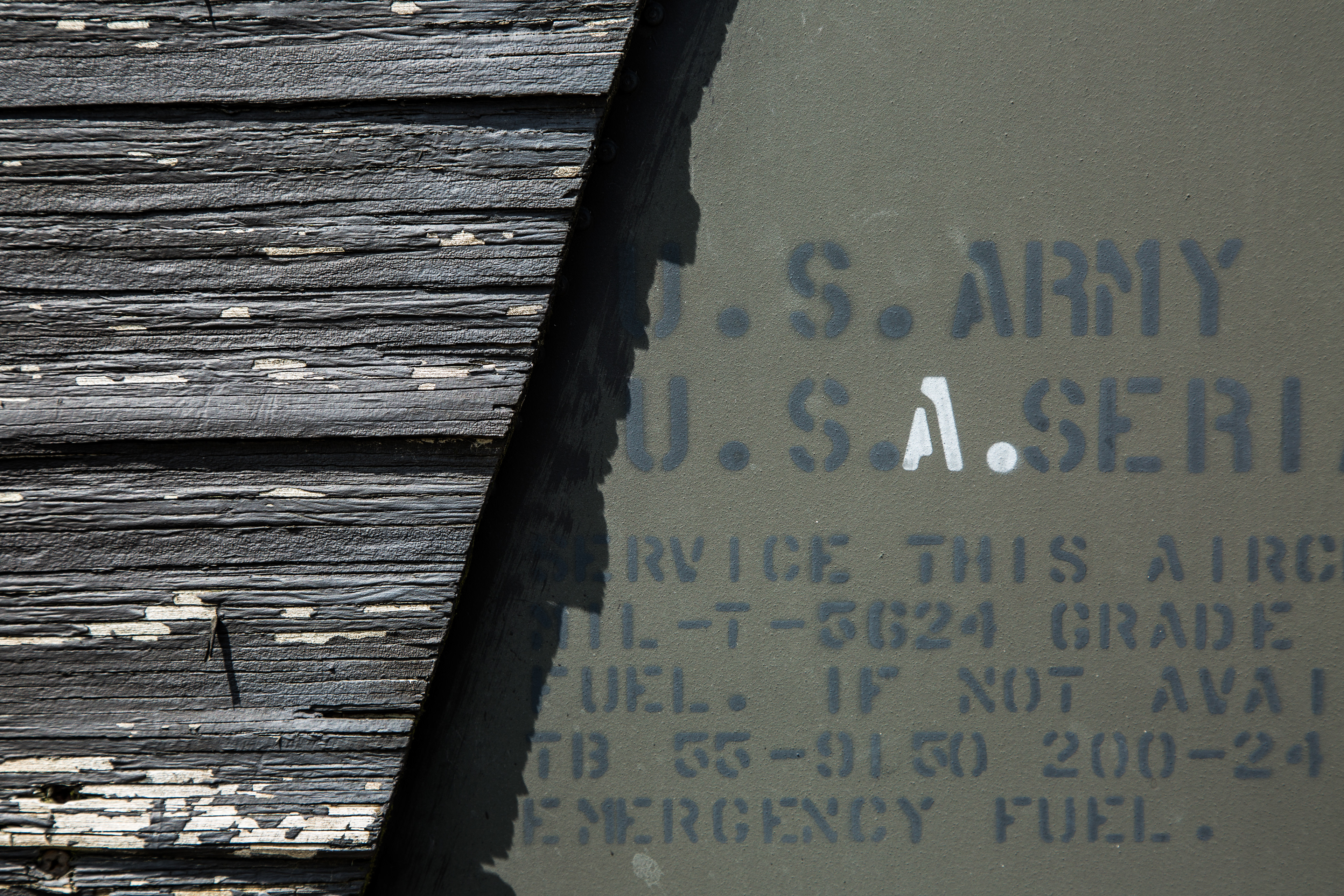
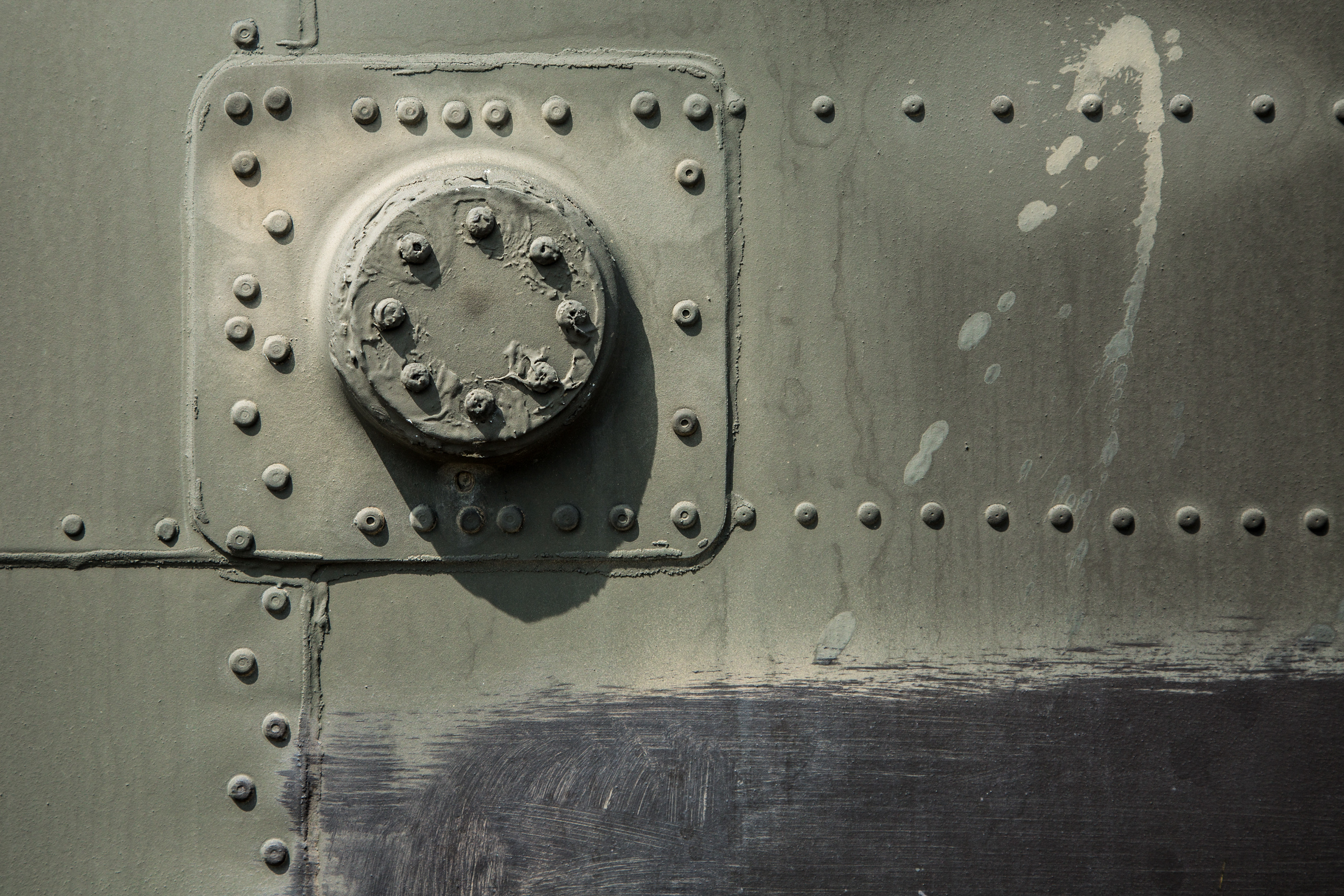
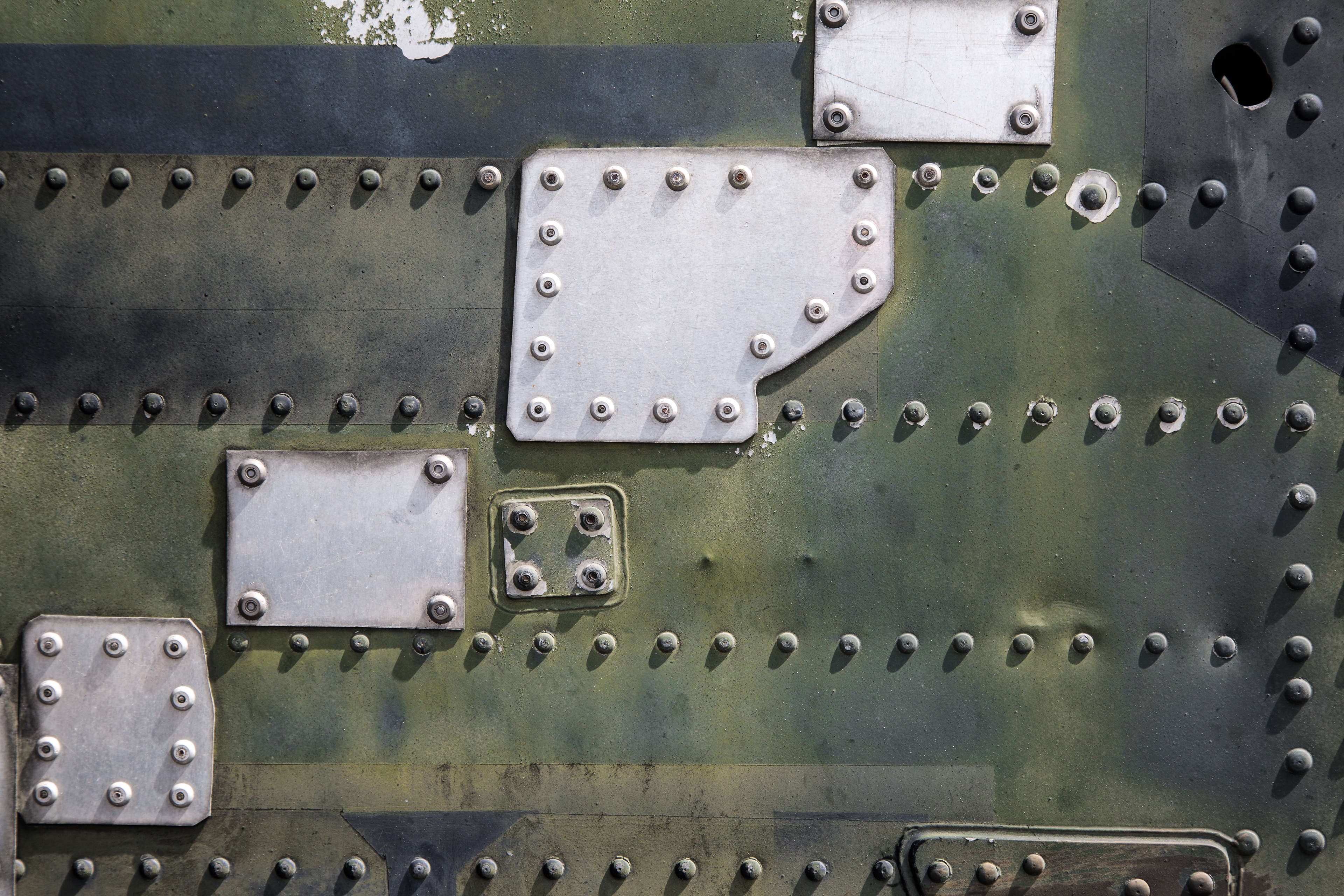
Once designed for movement, utility, and purpose, these machines now lie at rest. Decommissioned examines military vehicles, helicopters, and aircraft not as complete objects, but through the fragments that remain visible on their surfaces.
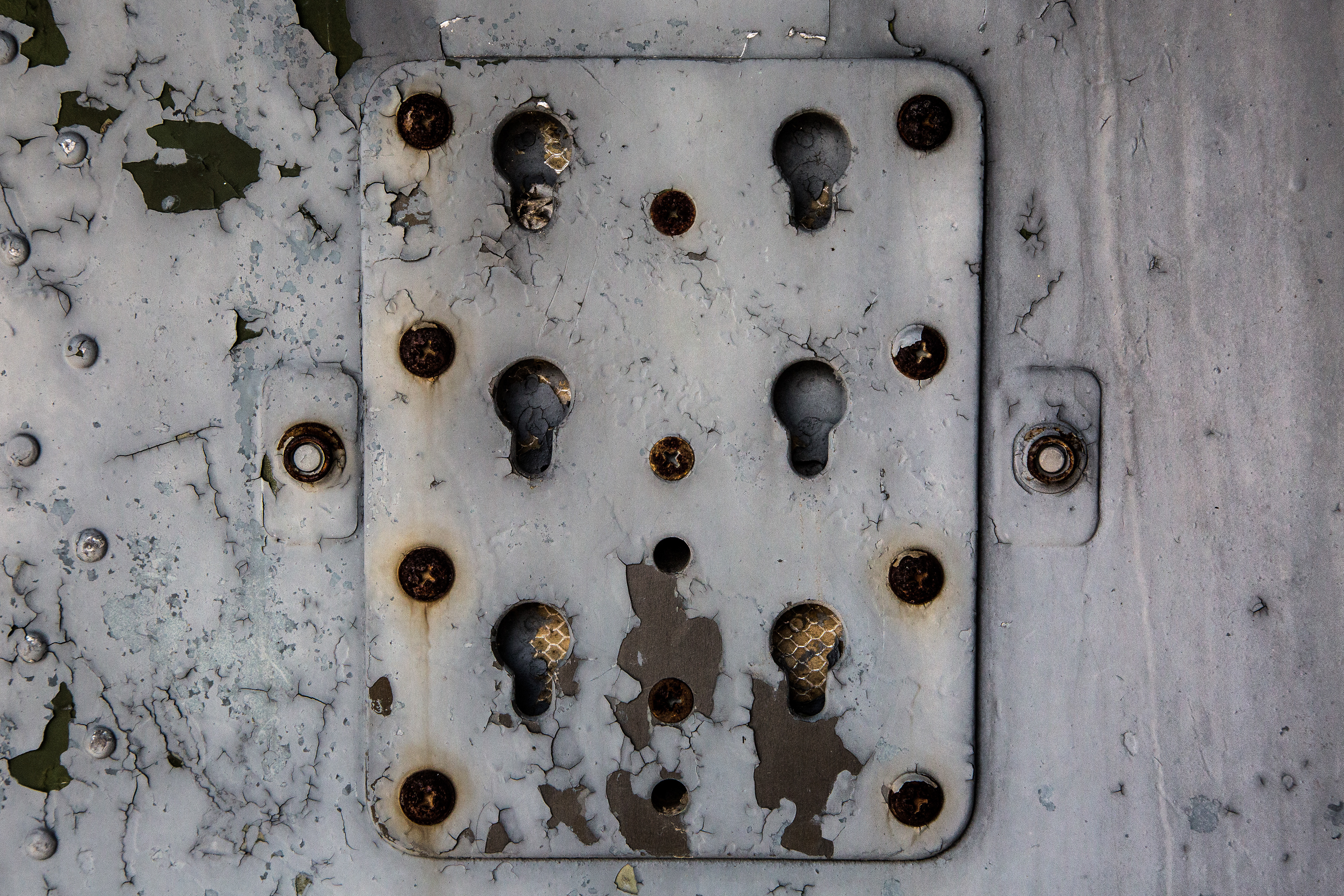
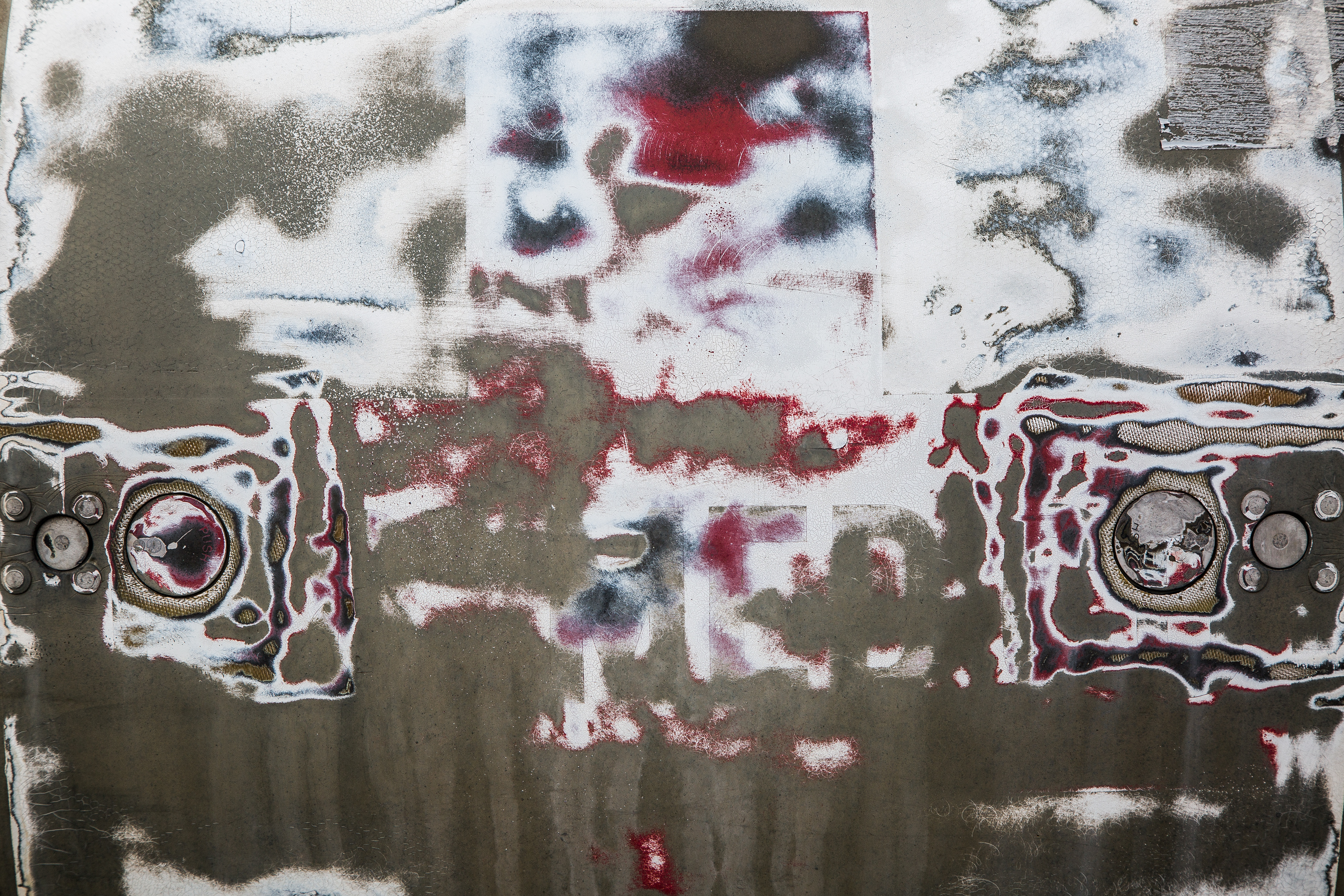
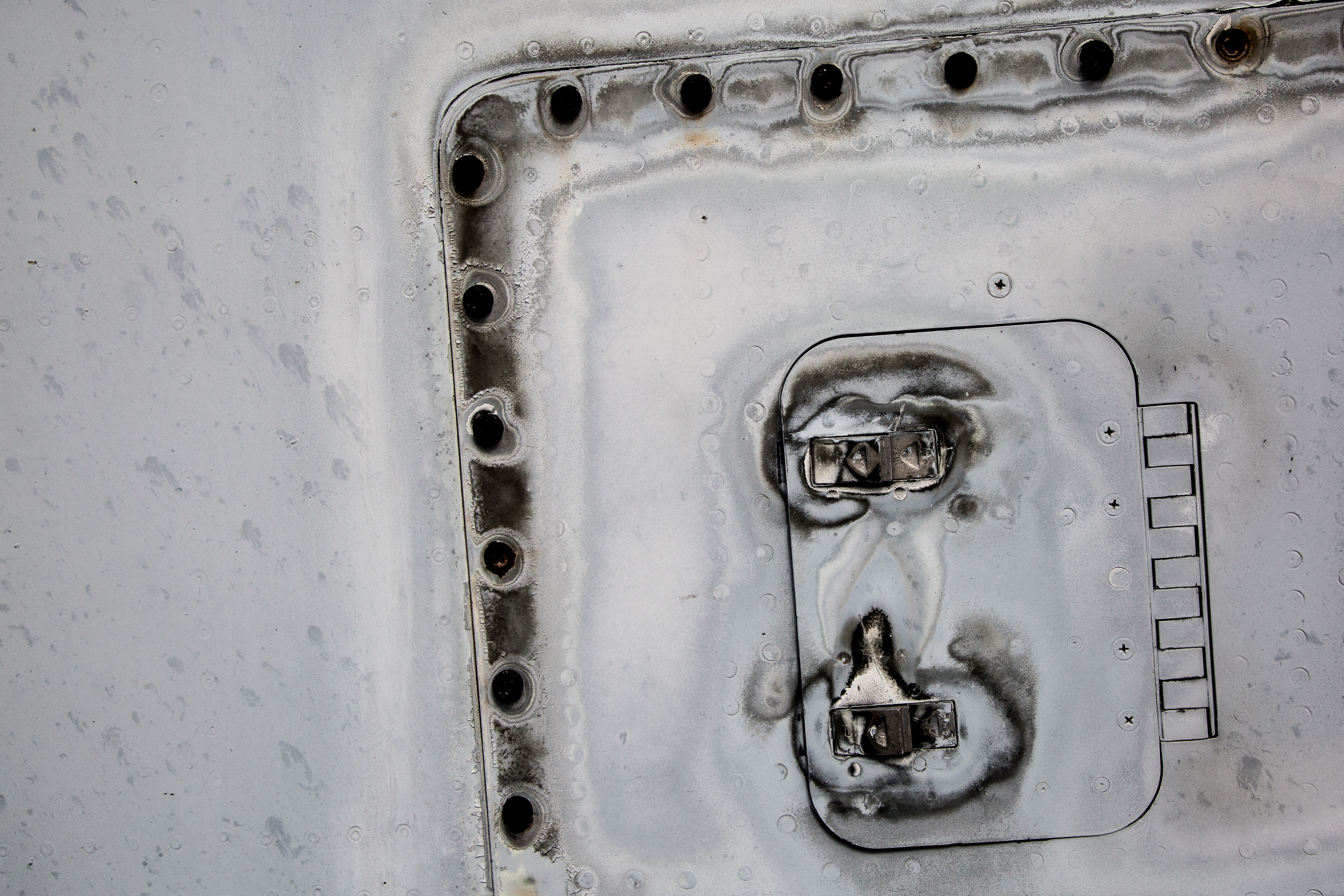
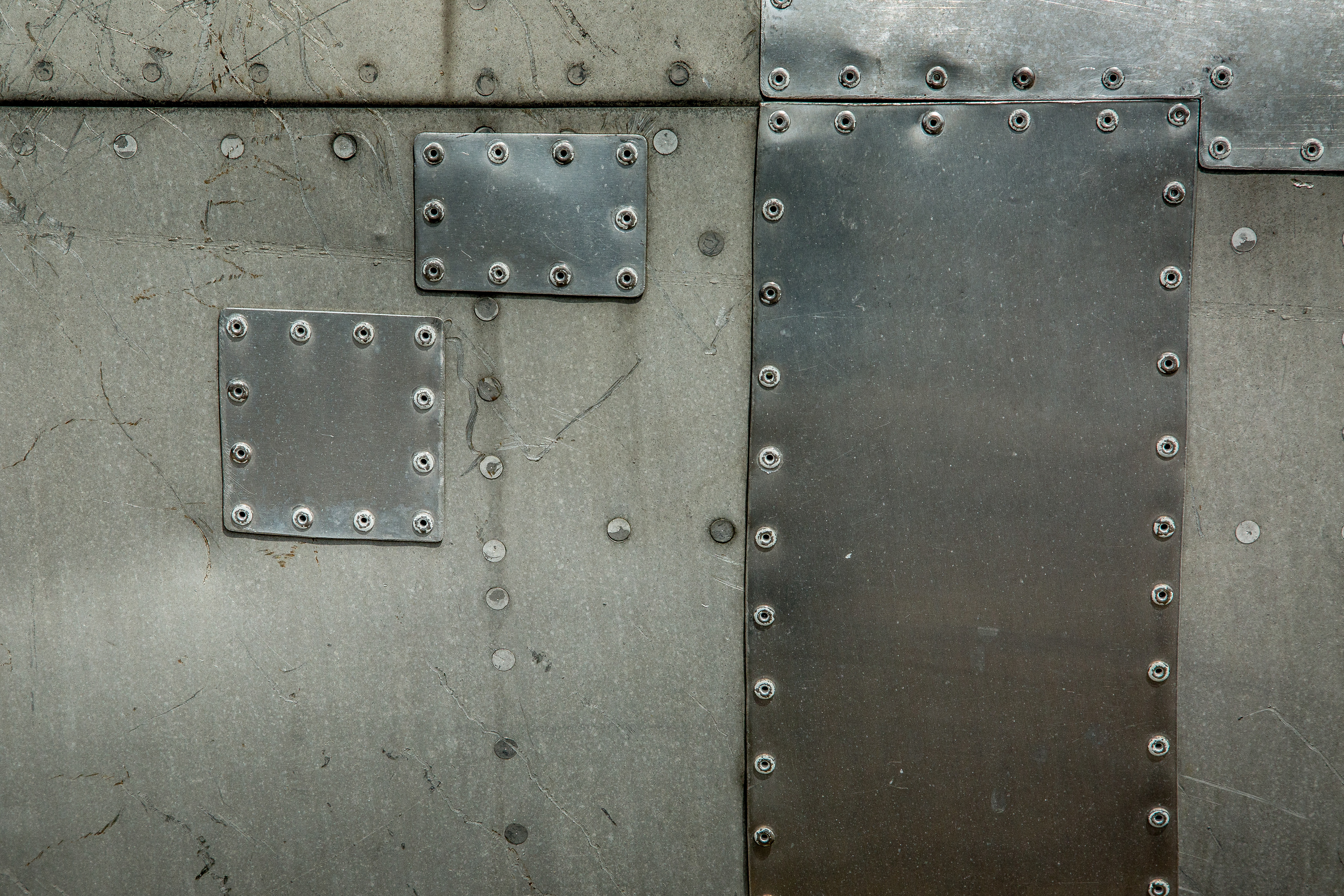
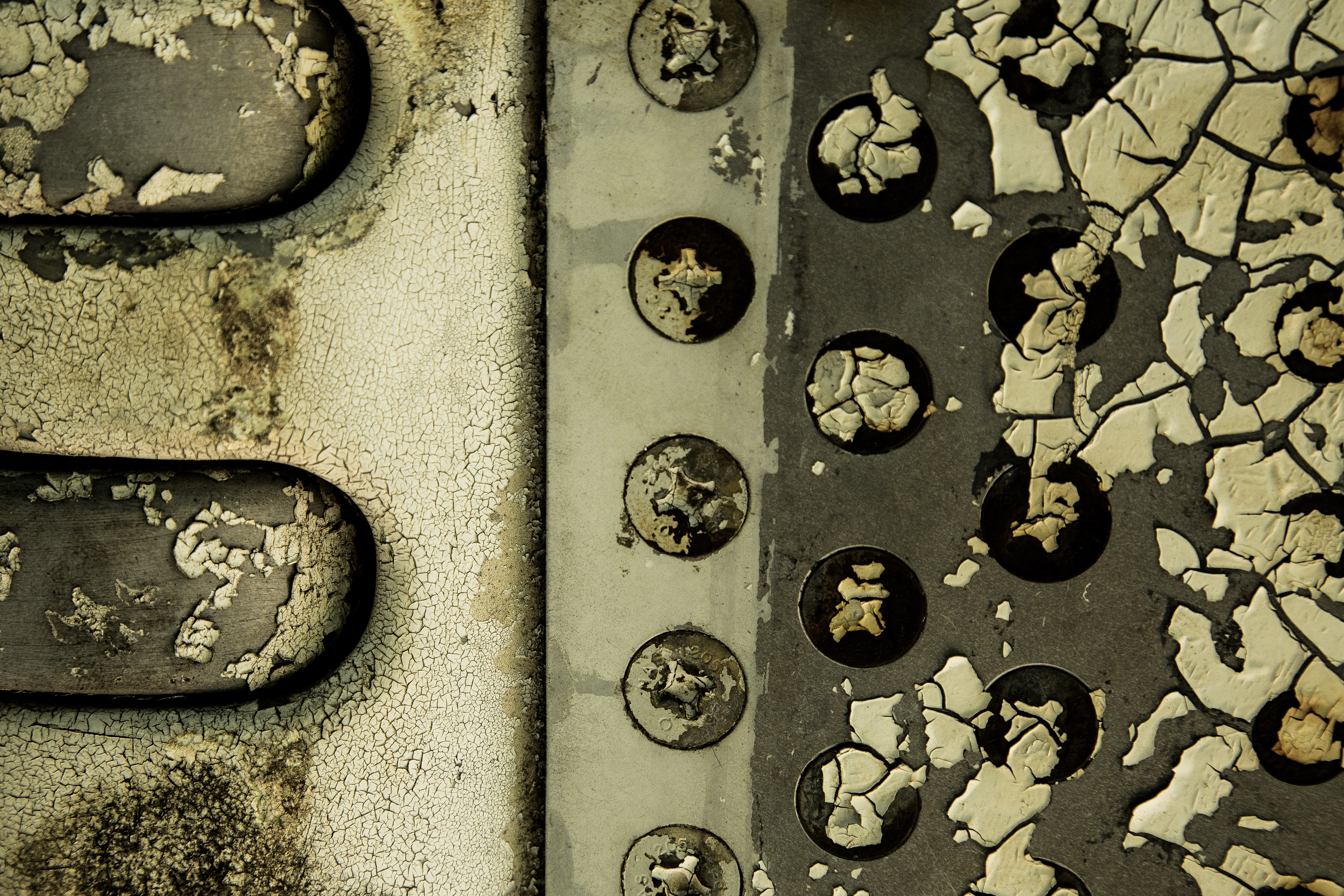
Photographed at close range, identification numbers, control panels, warning signs, rivets, seams, and painted symbols begin to lose their original function. Chipped coatings expose earlier layers. Rust gathers around bolts and edges. Lettering disappears under abrasion. Colors once chosen for camouflage, identification, safety, or instruction become unexpectedly graphic.
Removed from the larger machines they belong to, these details hover between documentation and abstraction. A number becomes a composition. A worn panel becomes a field of color. Scratches, oxidation, repairs, and fading become part of an unplanned visual history written directly onto metal.
These surfaces still carry the language of their former purpose, but they no longer perform that purpose. What remains is evidence: of manufacture, use, exposure, maintenance, and eventual retirement. Decommissioned looks closely at that transition, finding within these machines a quieter identity that emerged only after their original work had ended.
These images were photographed at the Russell Military Museum in Zion, IL.