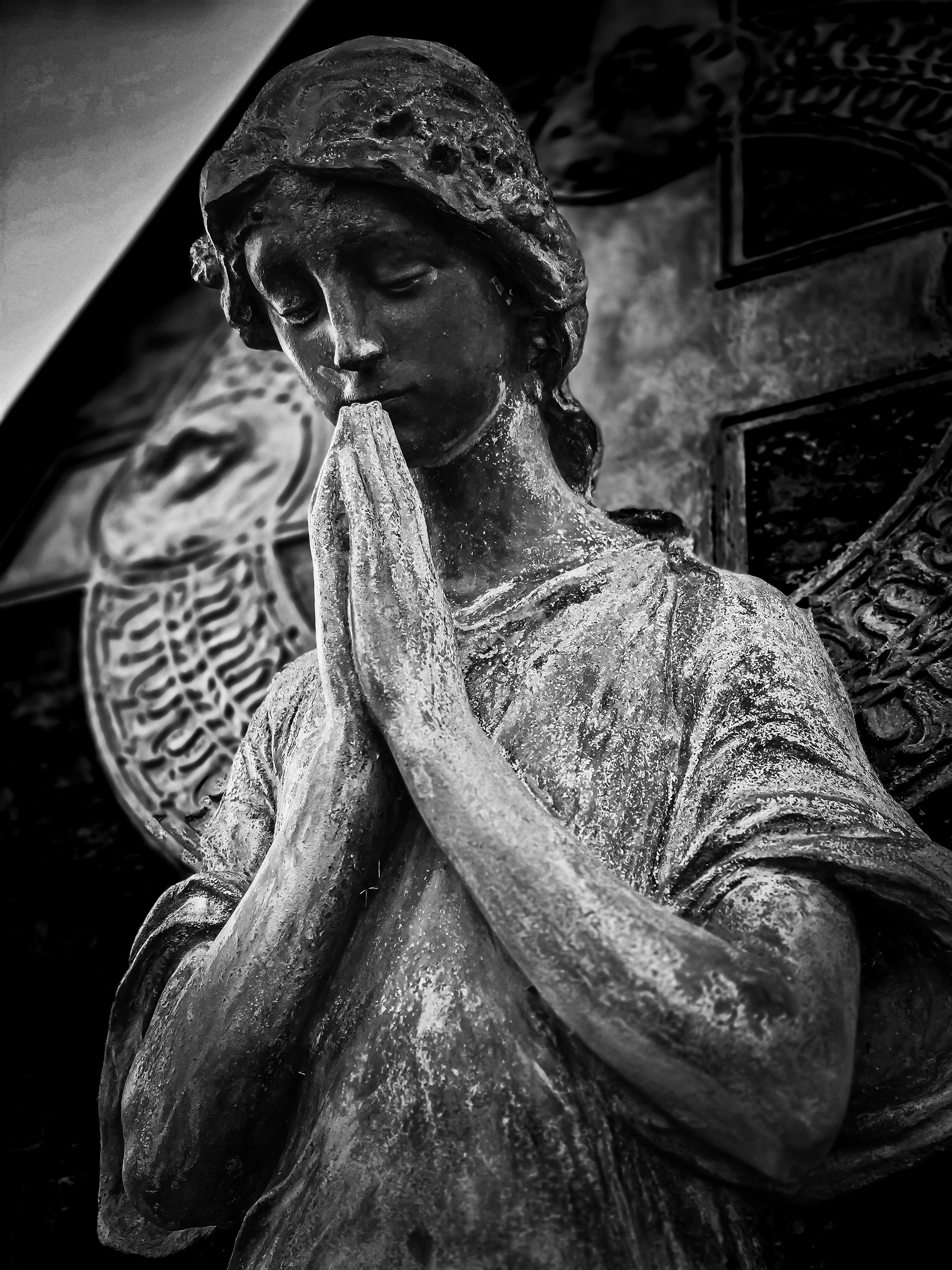
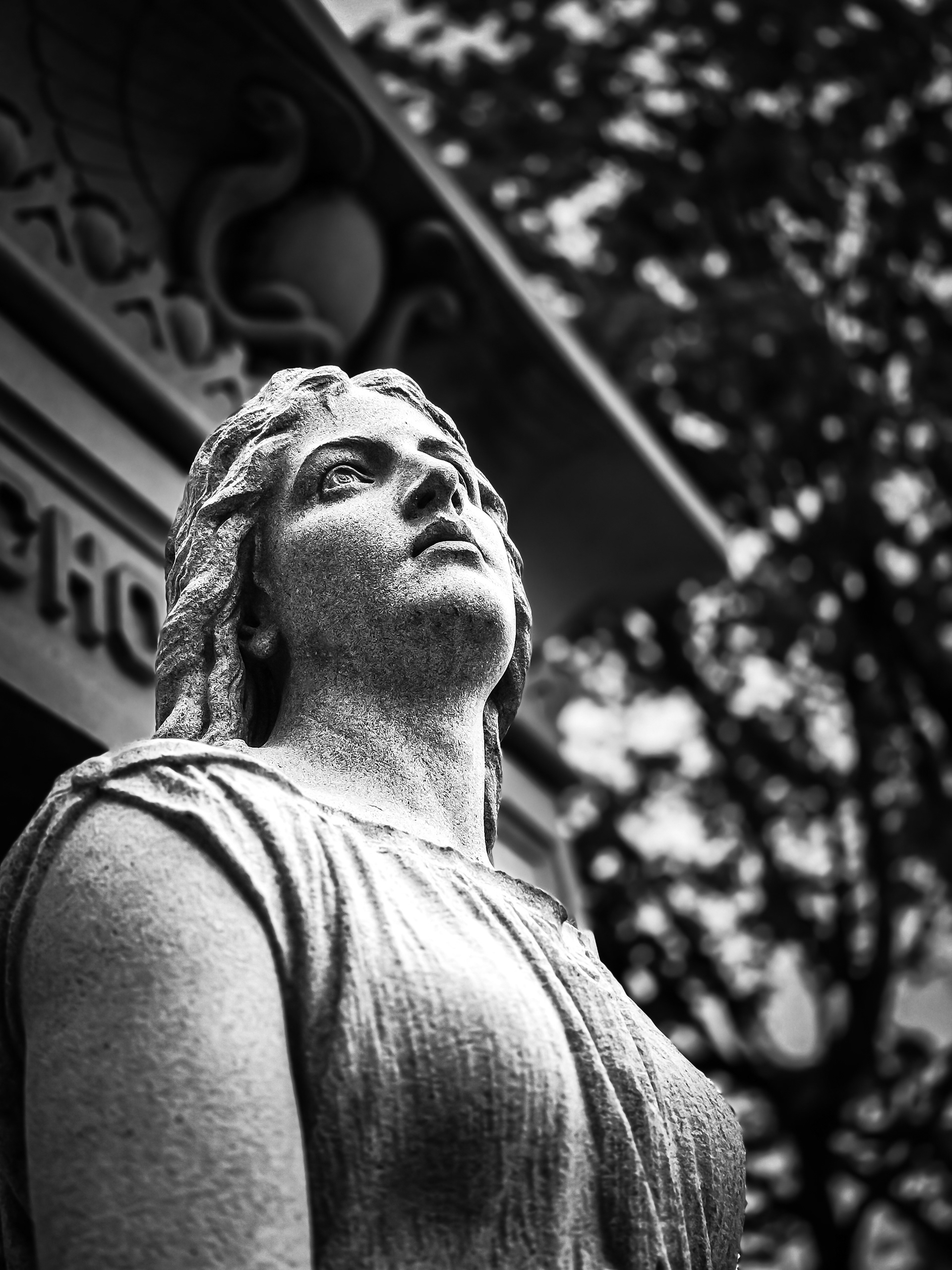
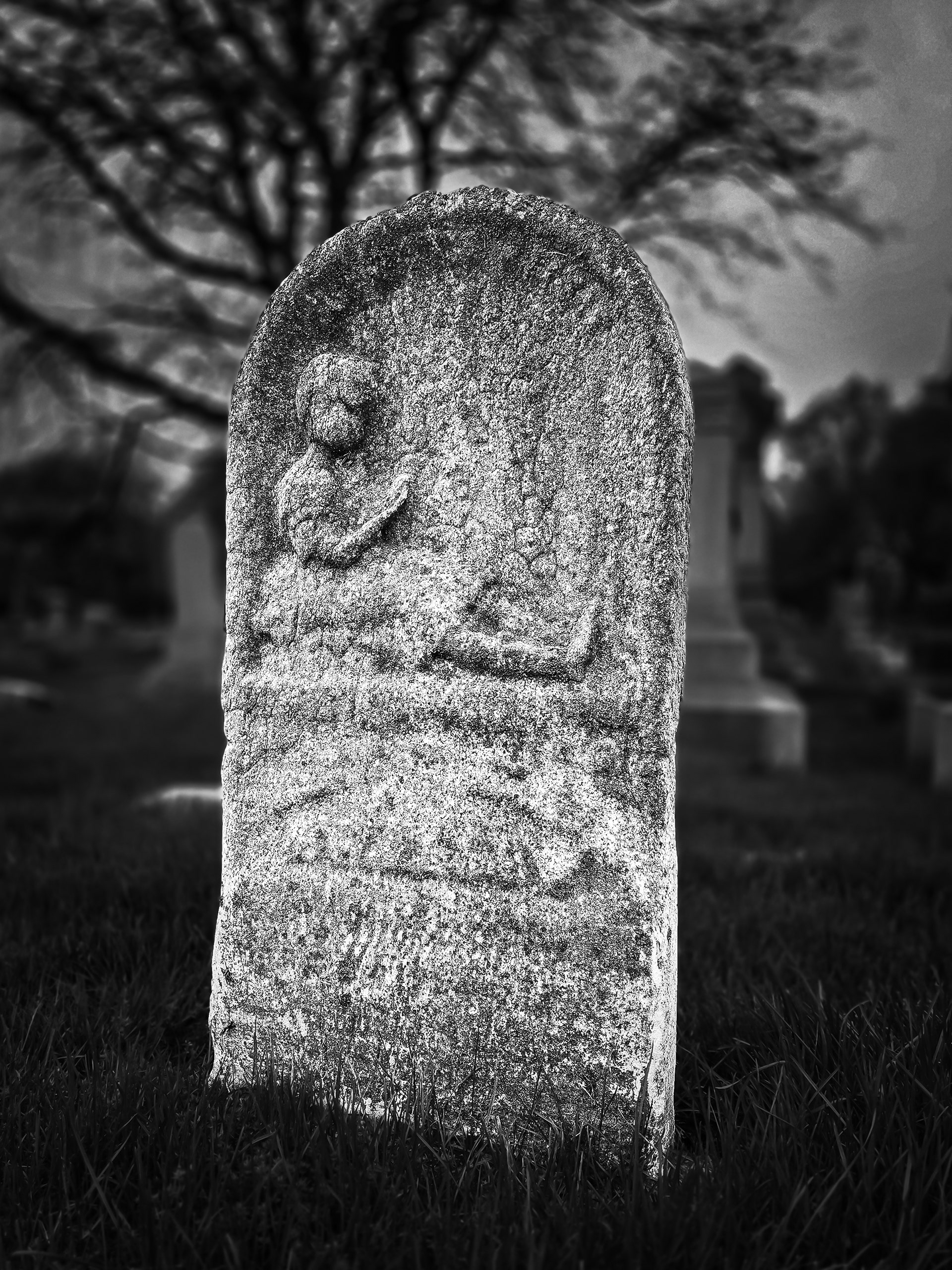
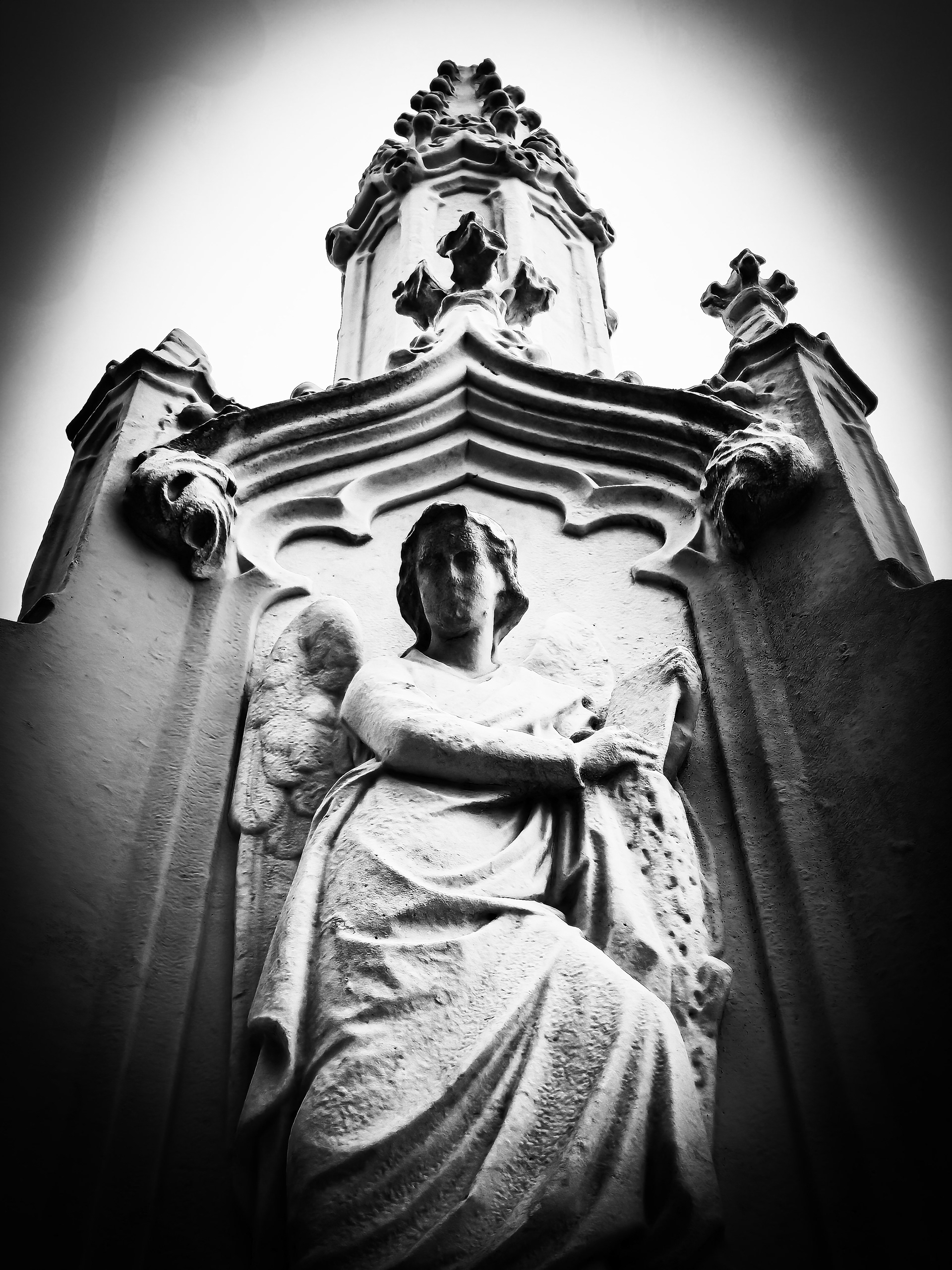
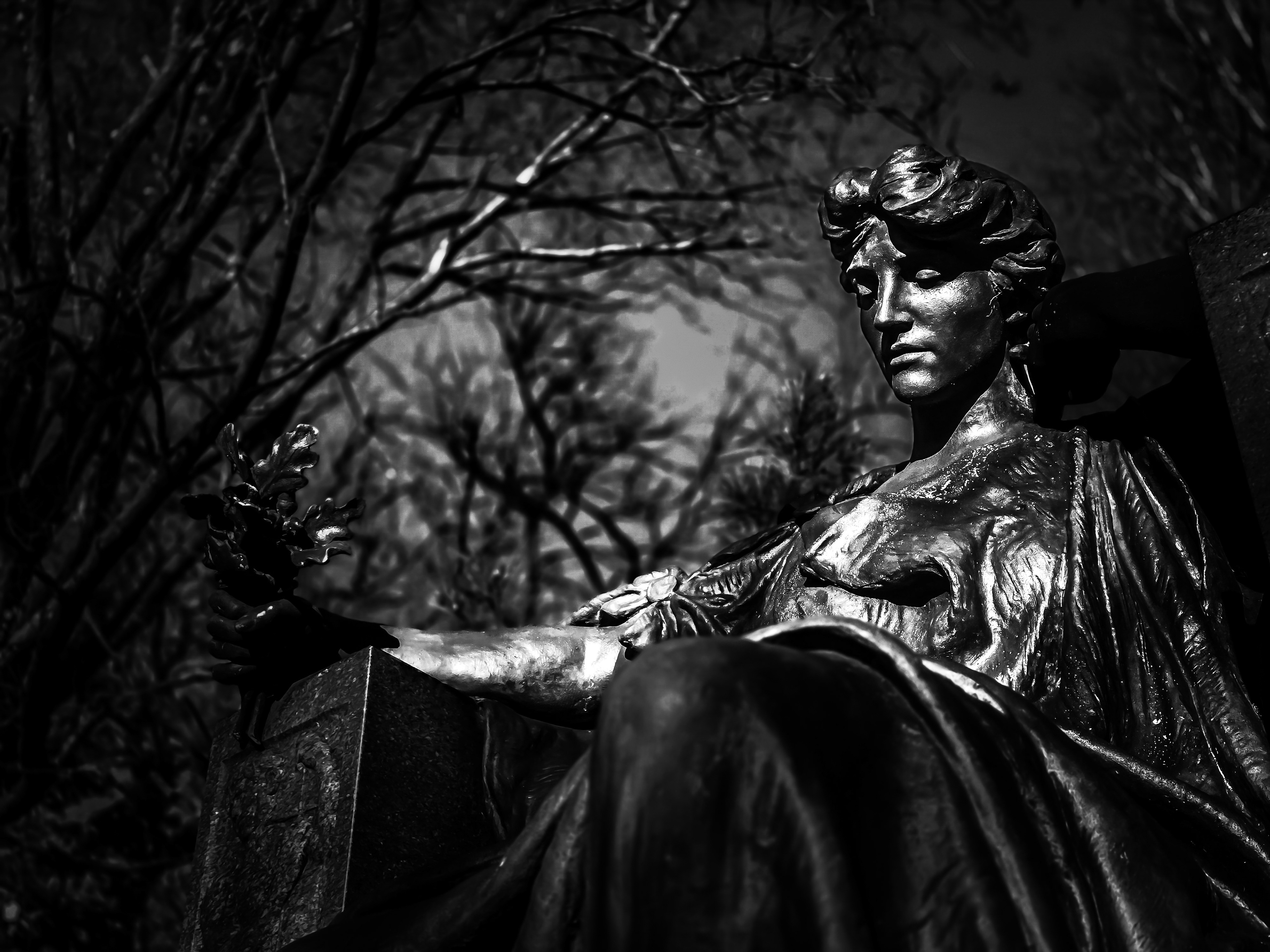
Graceland Cemetery
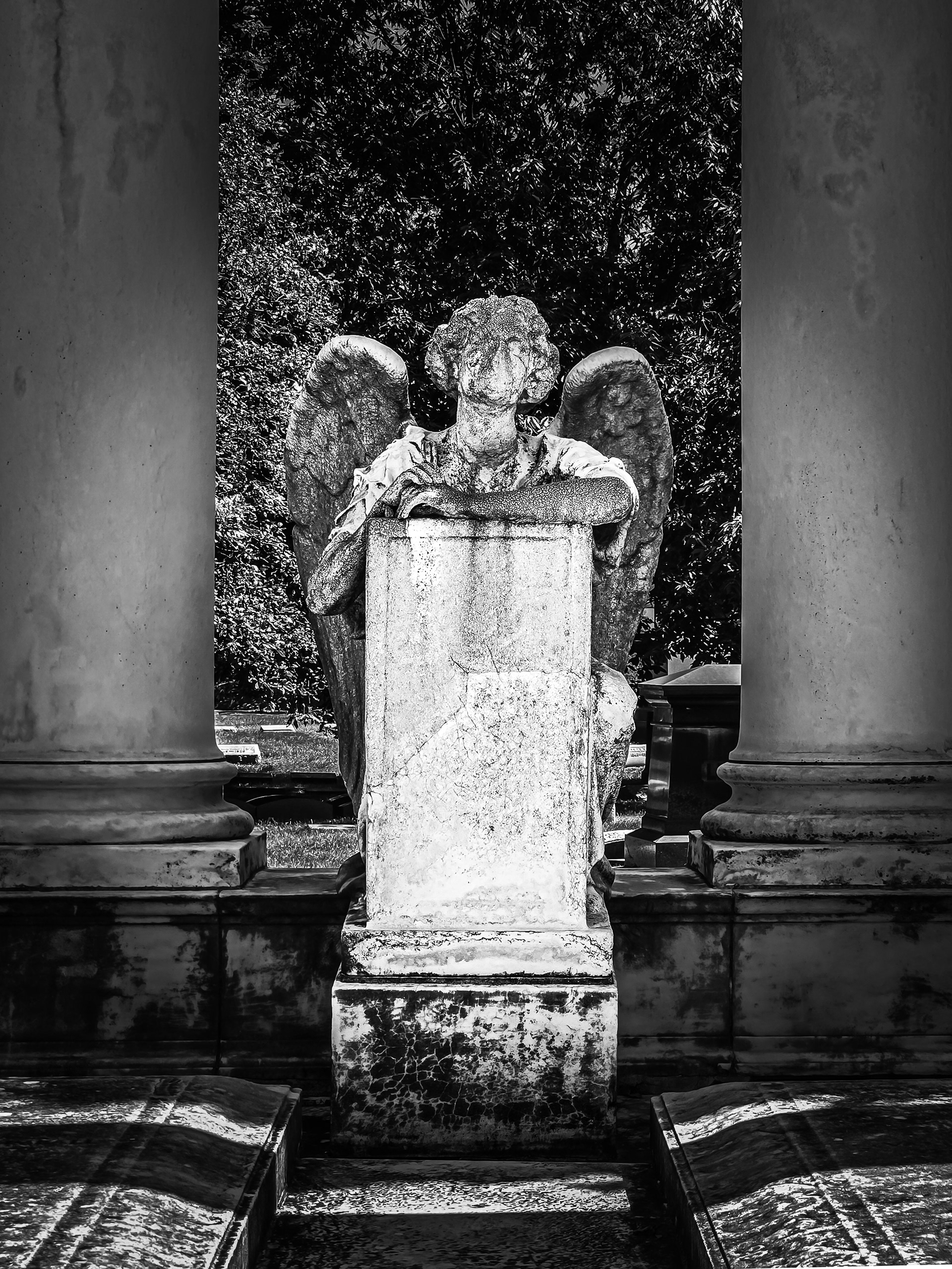
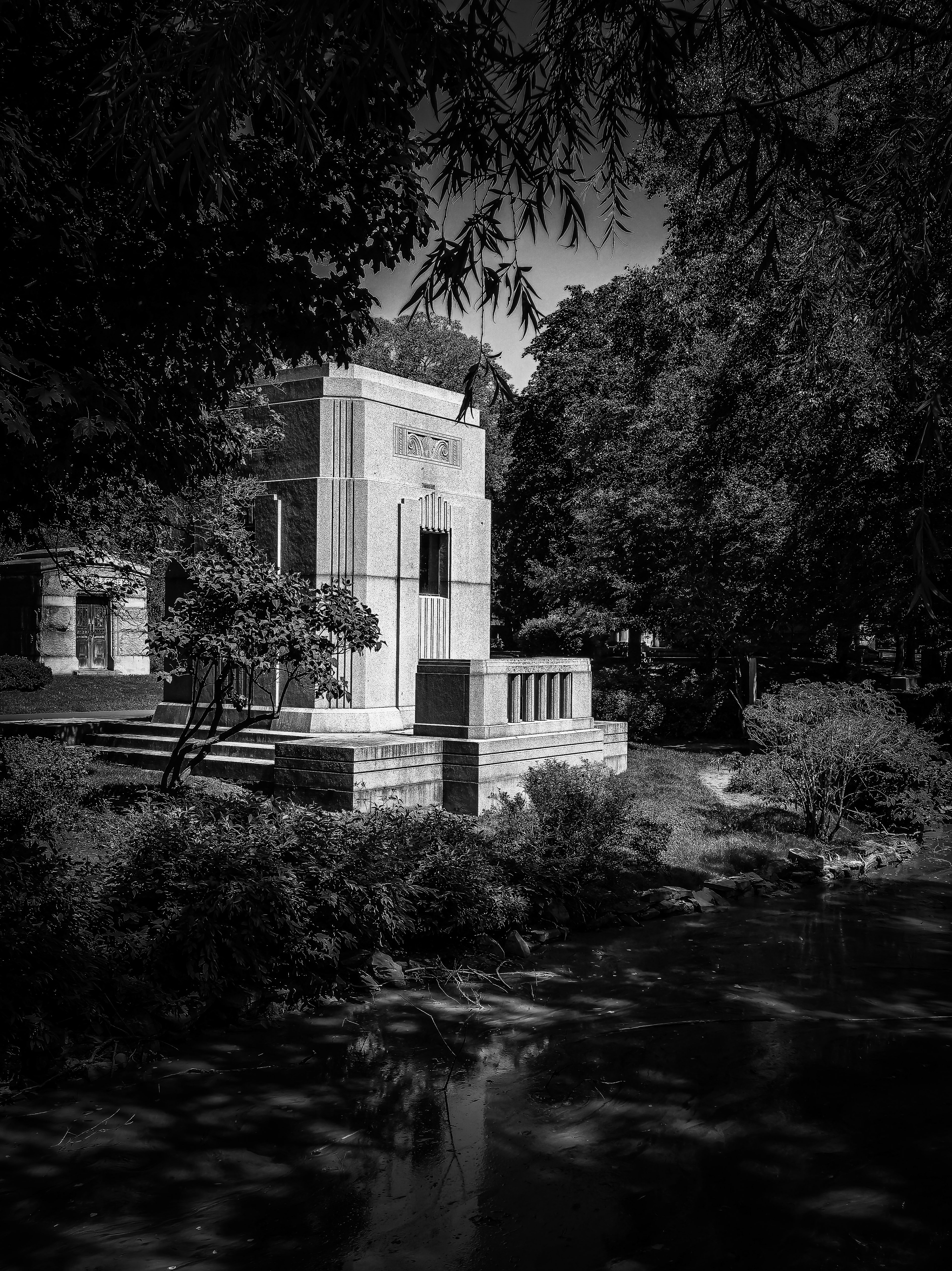
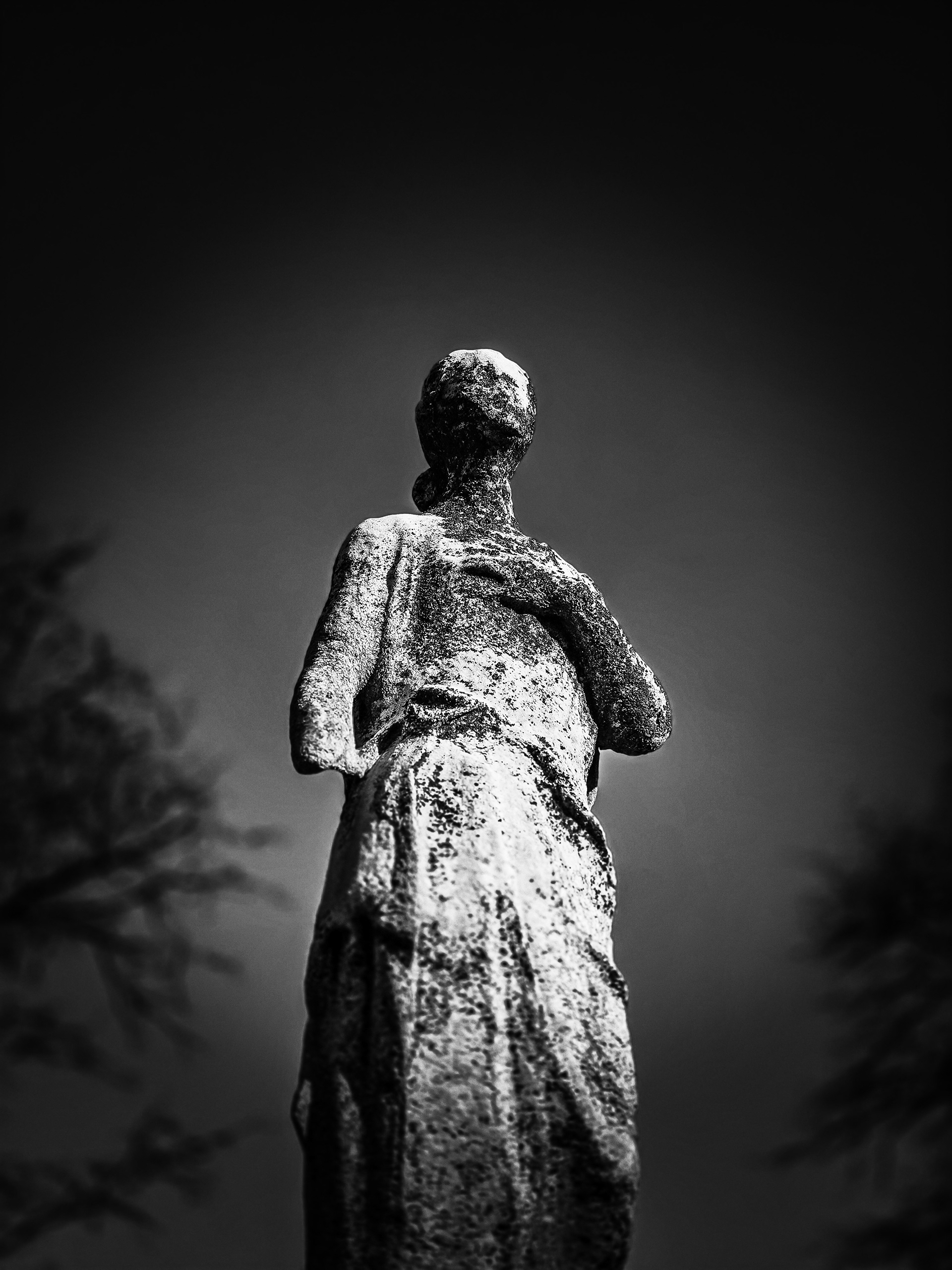
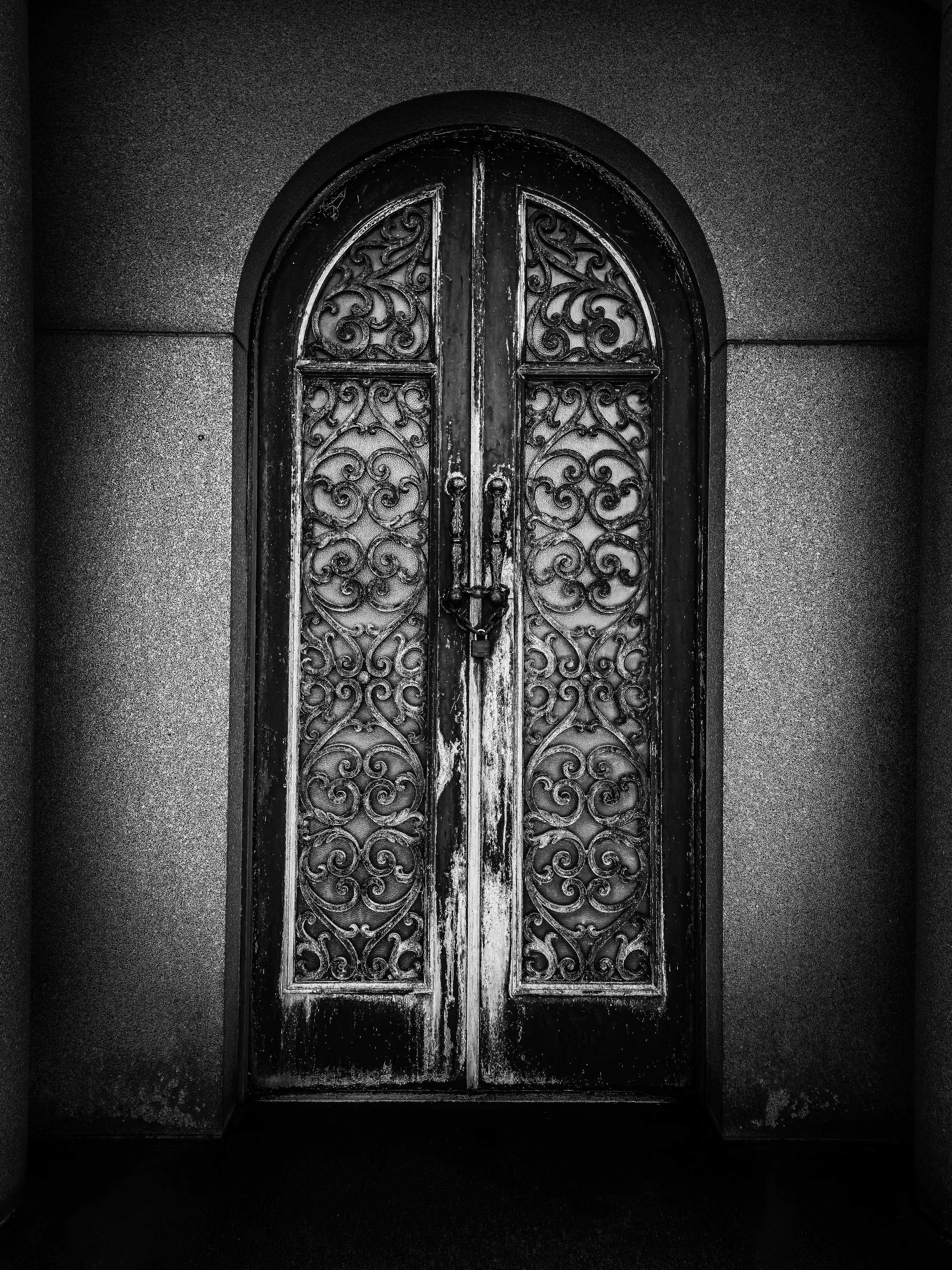
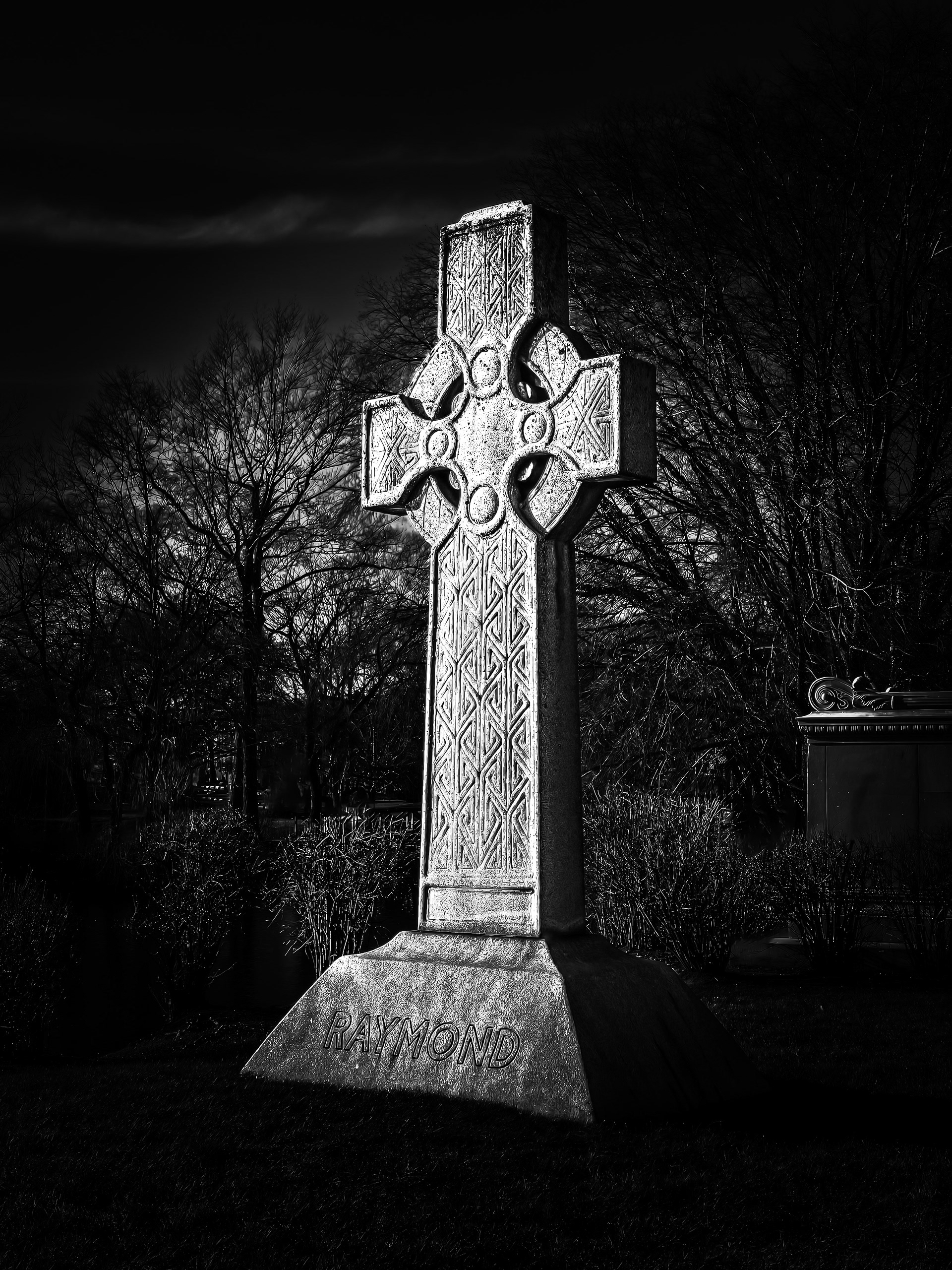
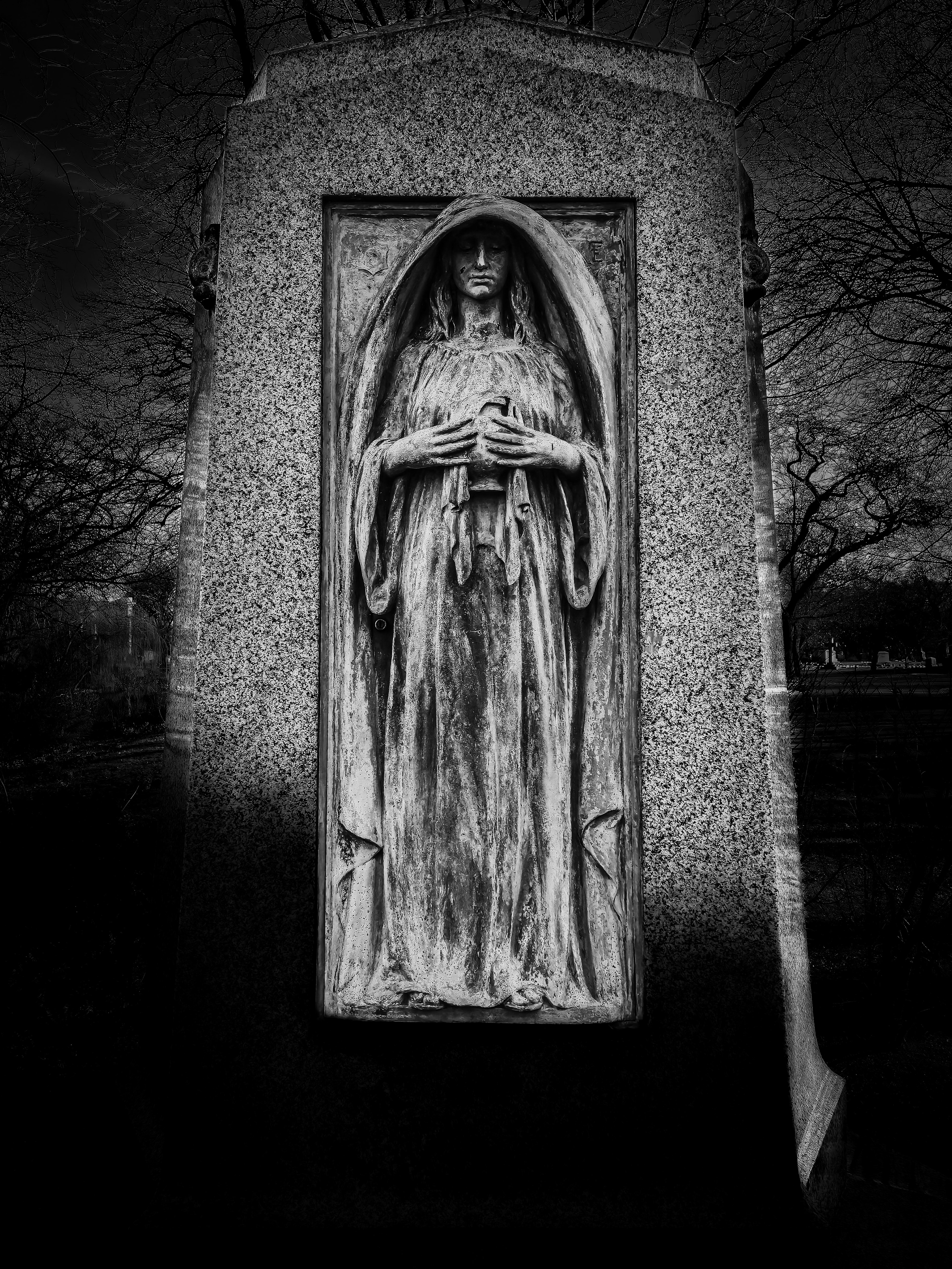
Established in 1860 and located on Chicago’s north side, the Victorian-era Graceland Cemetery is so aesthetically impressive and historically significant that the Chicago Architecture Center offers regular tours of its grounds. More than simply a cemetery, Graceland is an extraordinary landscape of architecture, sculpture, monuments, and carefully designed natural spaces, containing the graves of many of the people who helped shape Chicago.
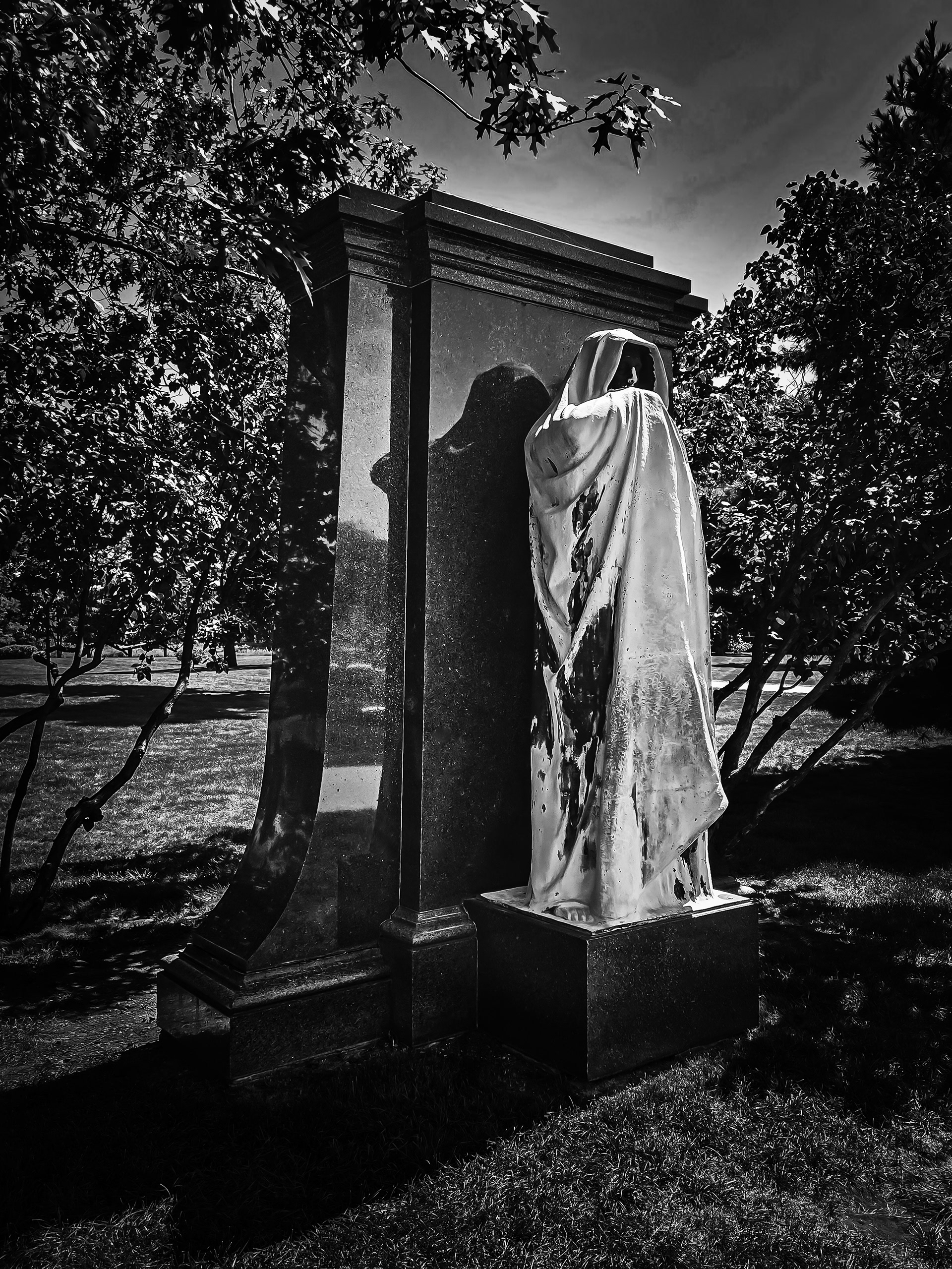
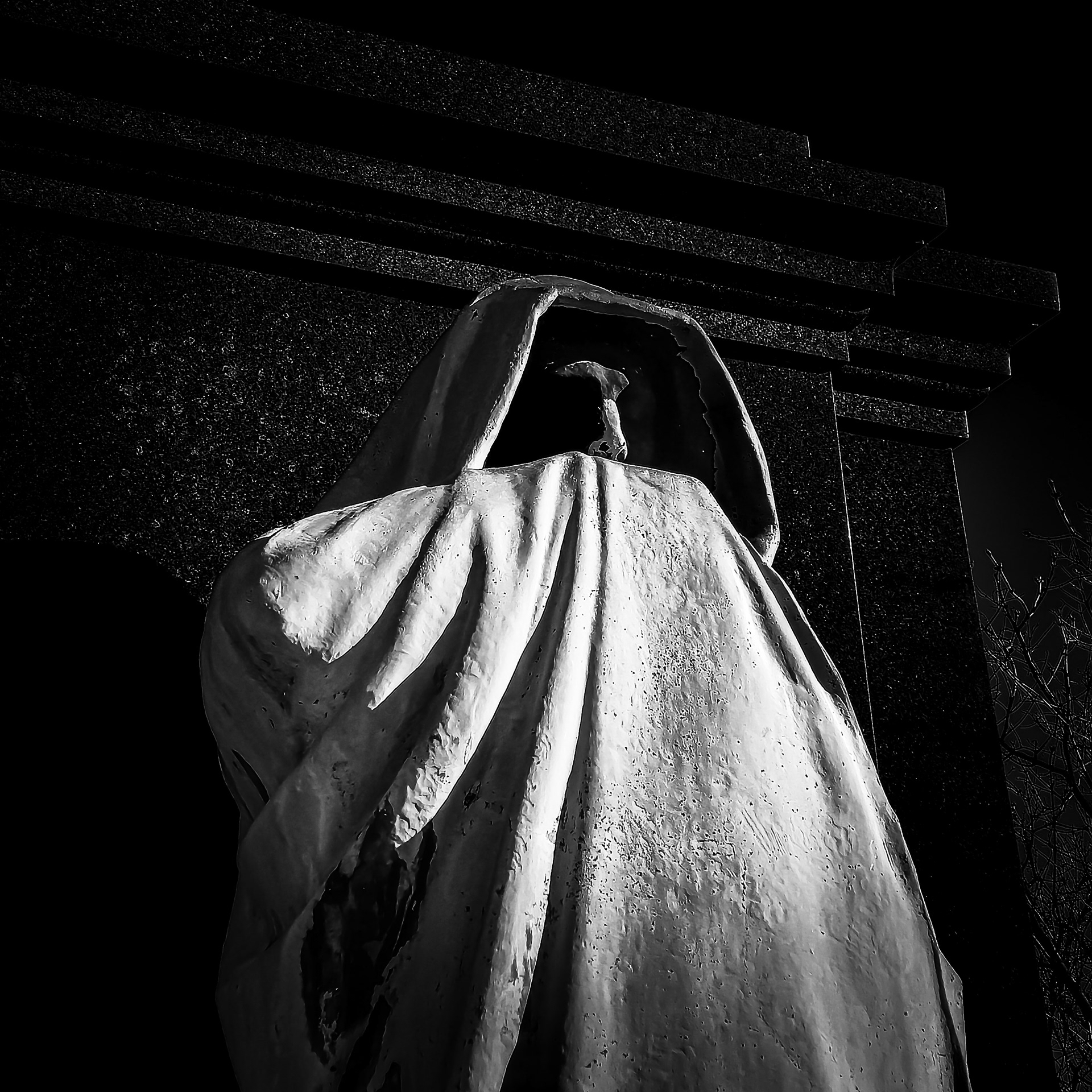
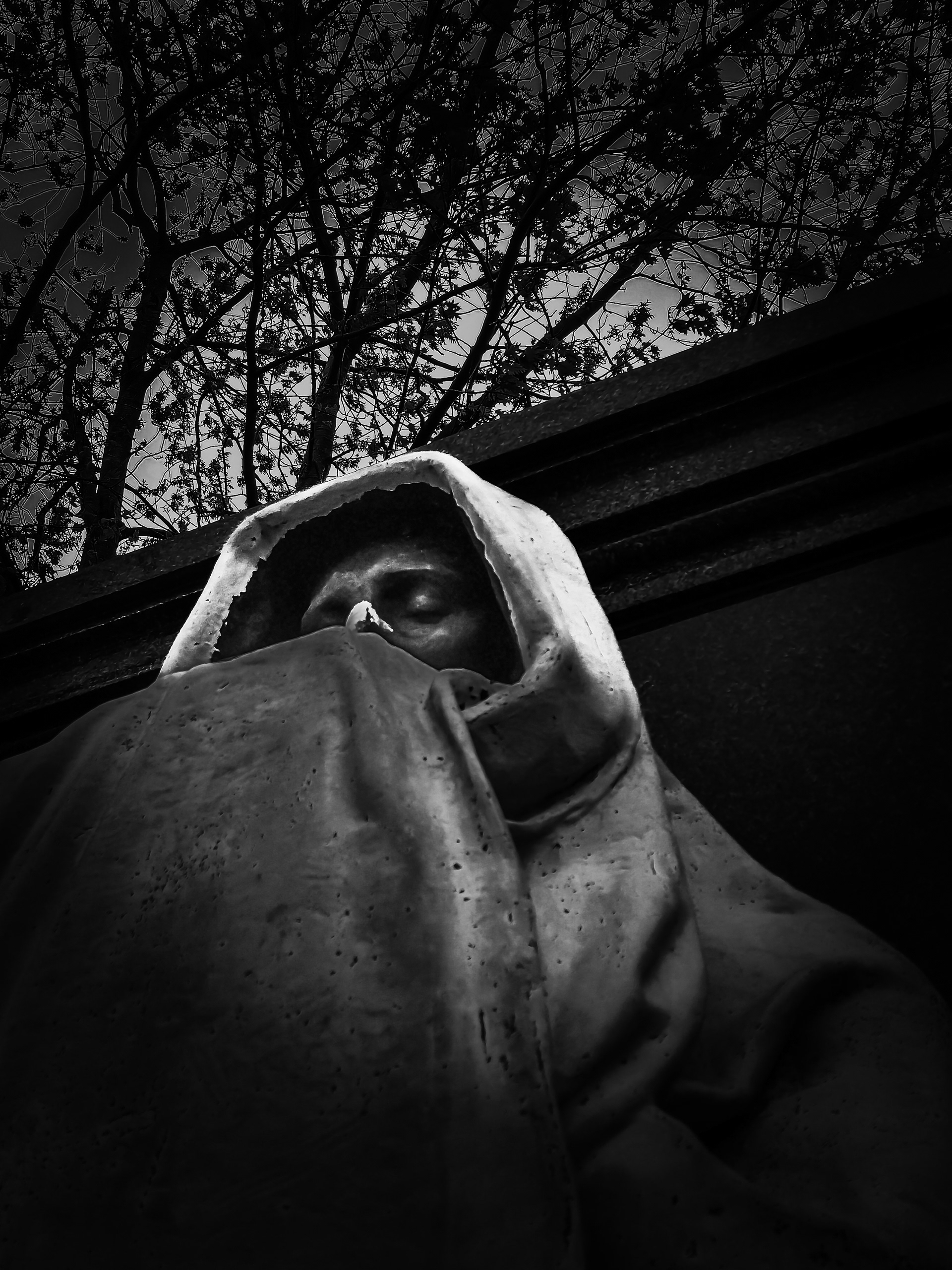
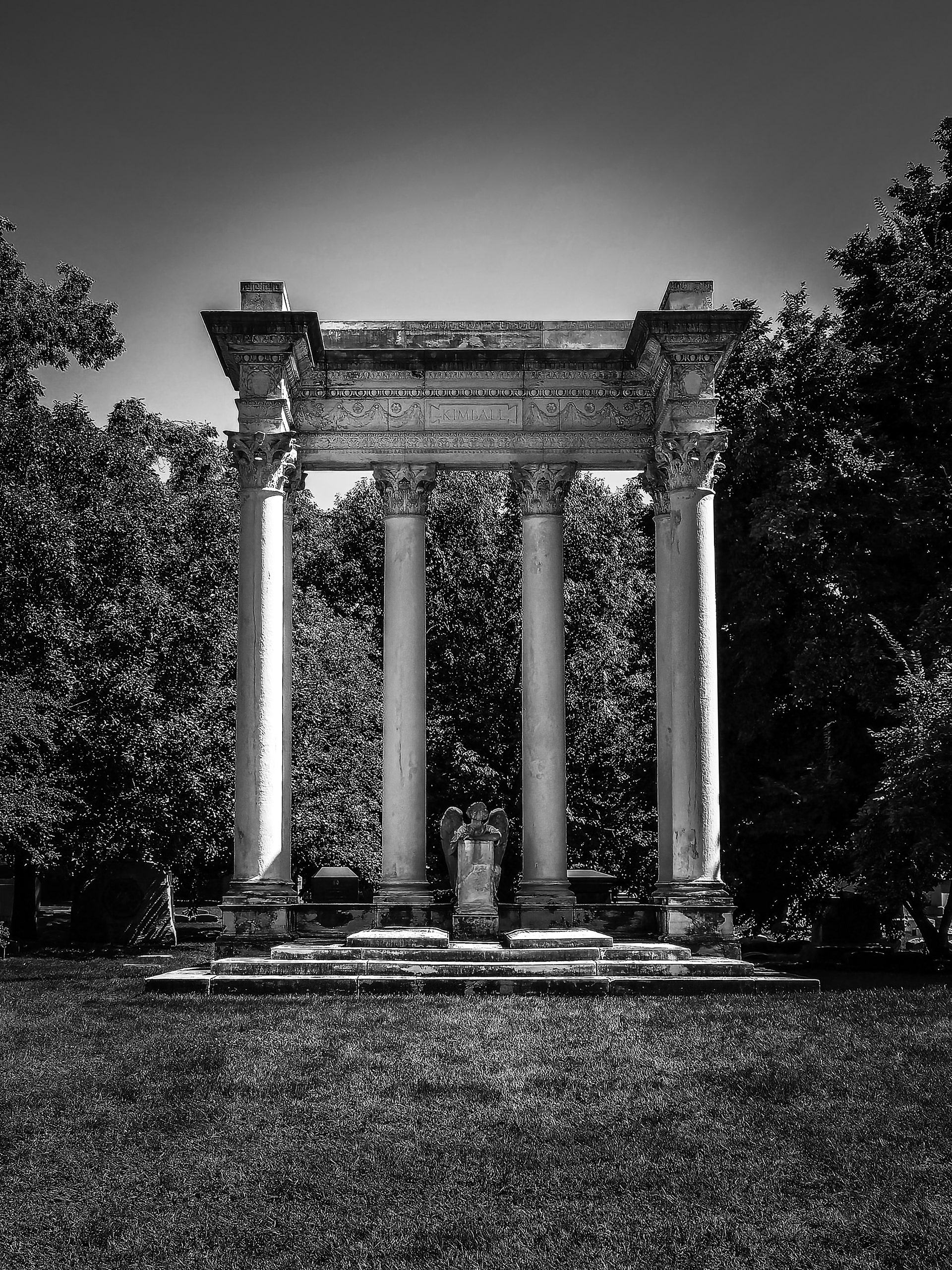
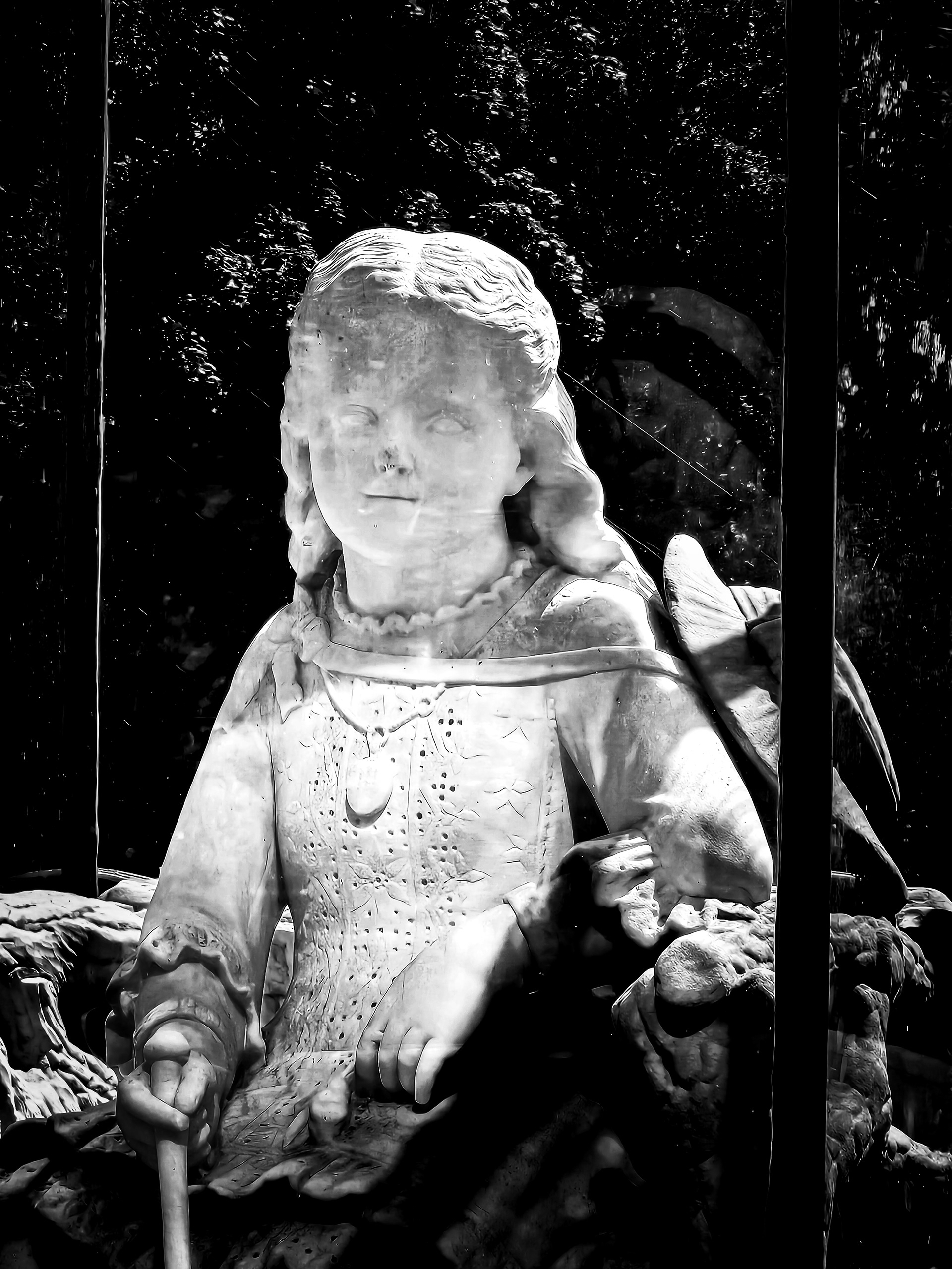
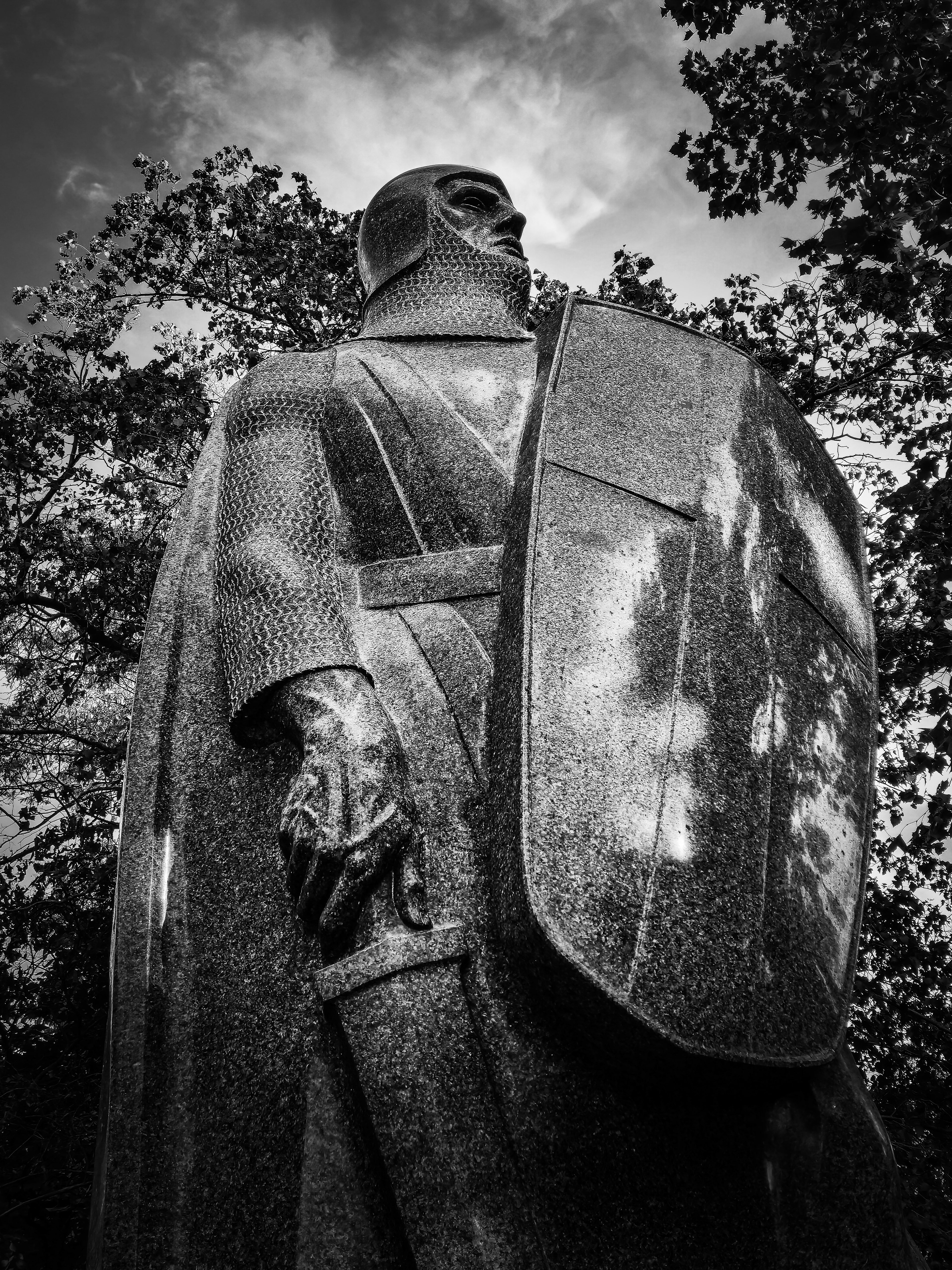
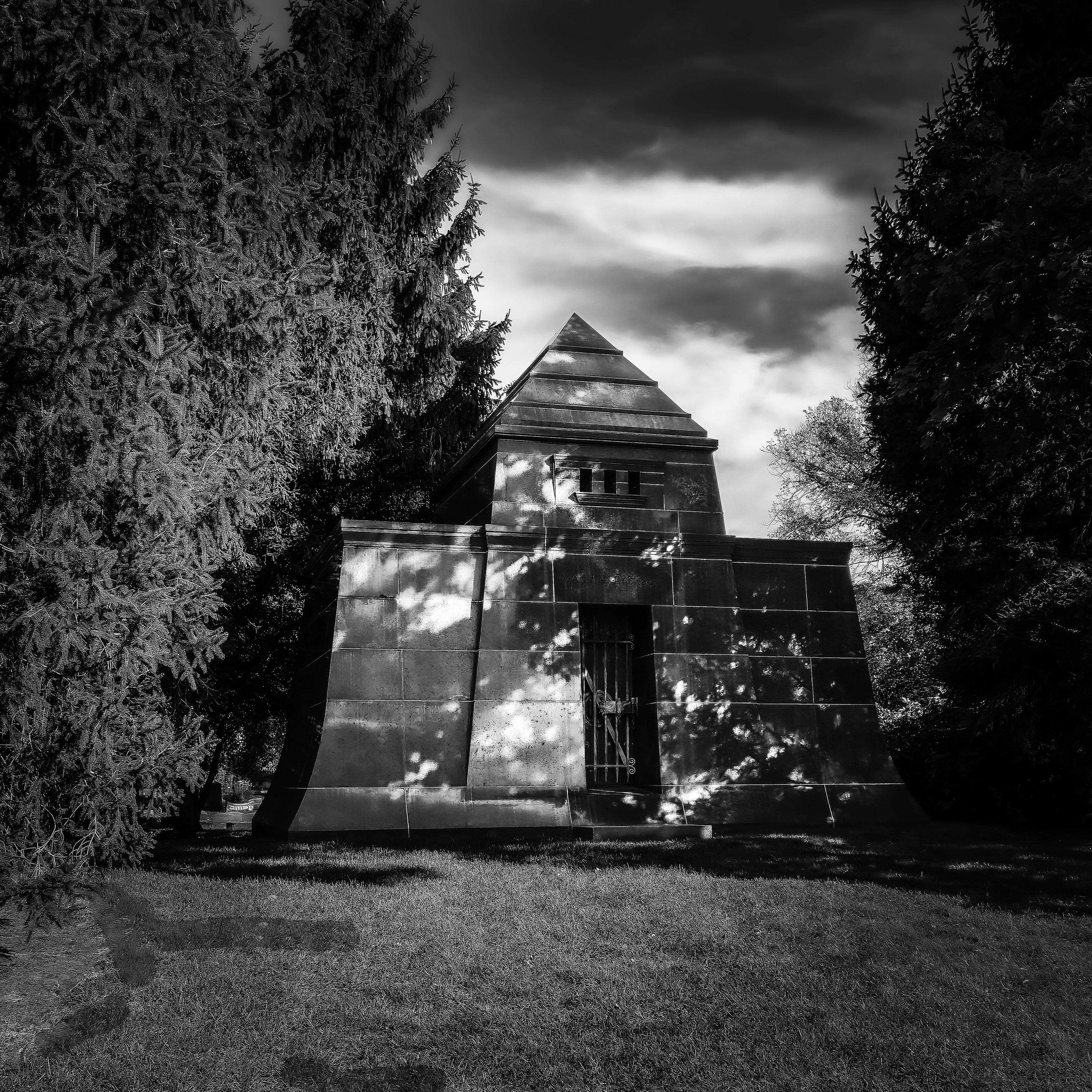
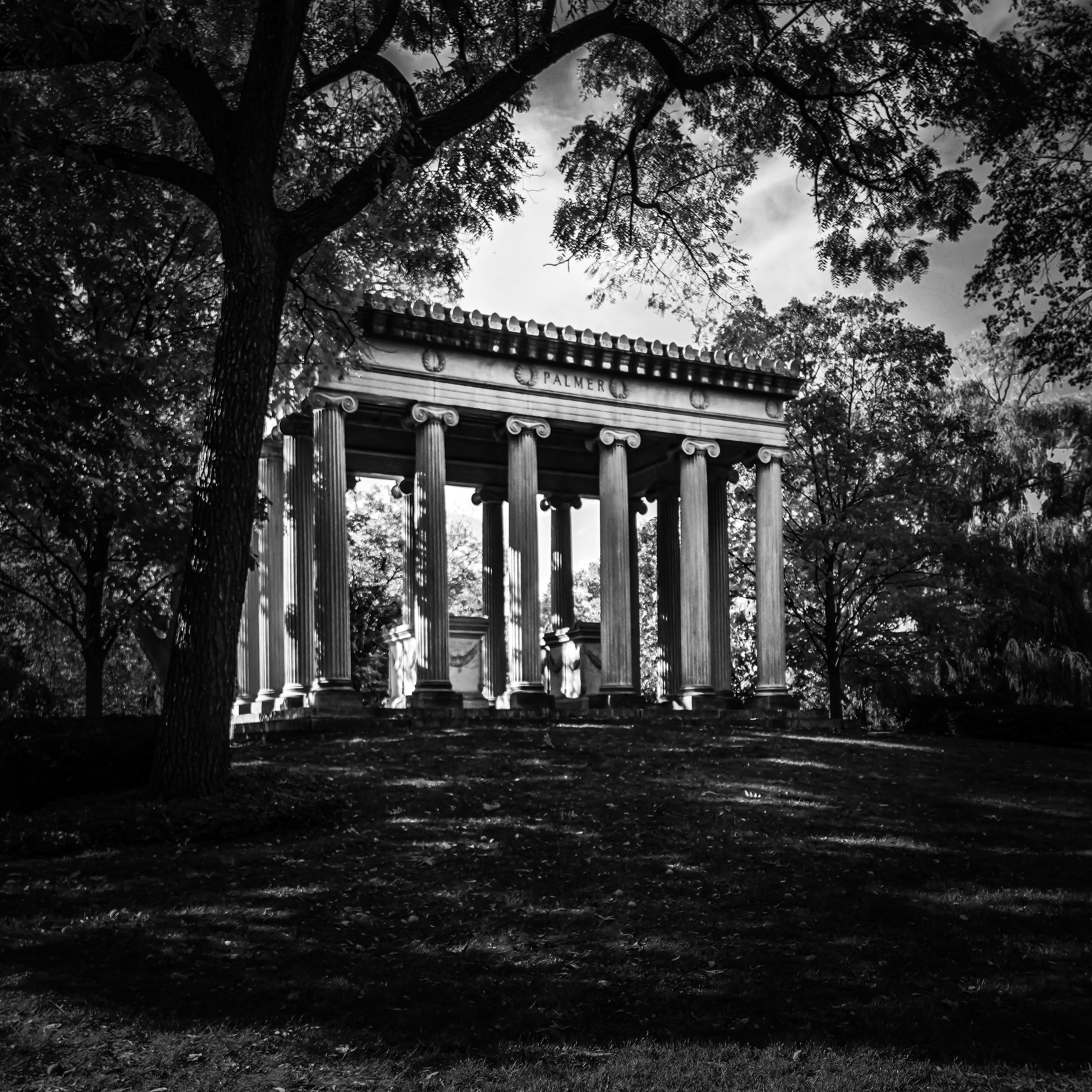
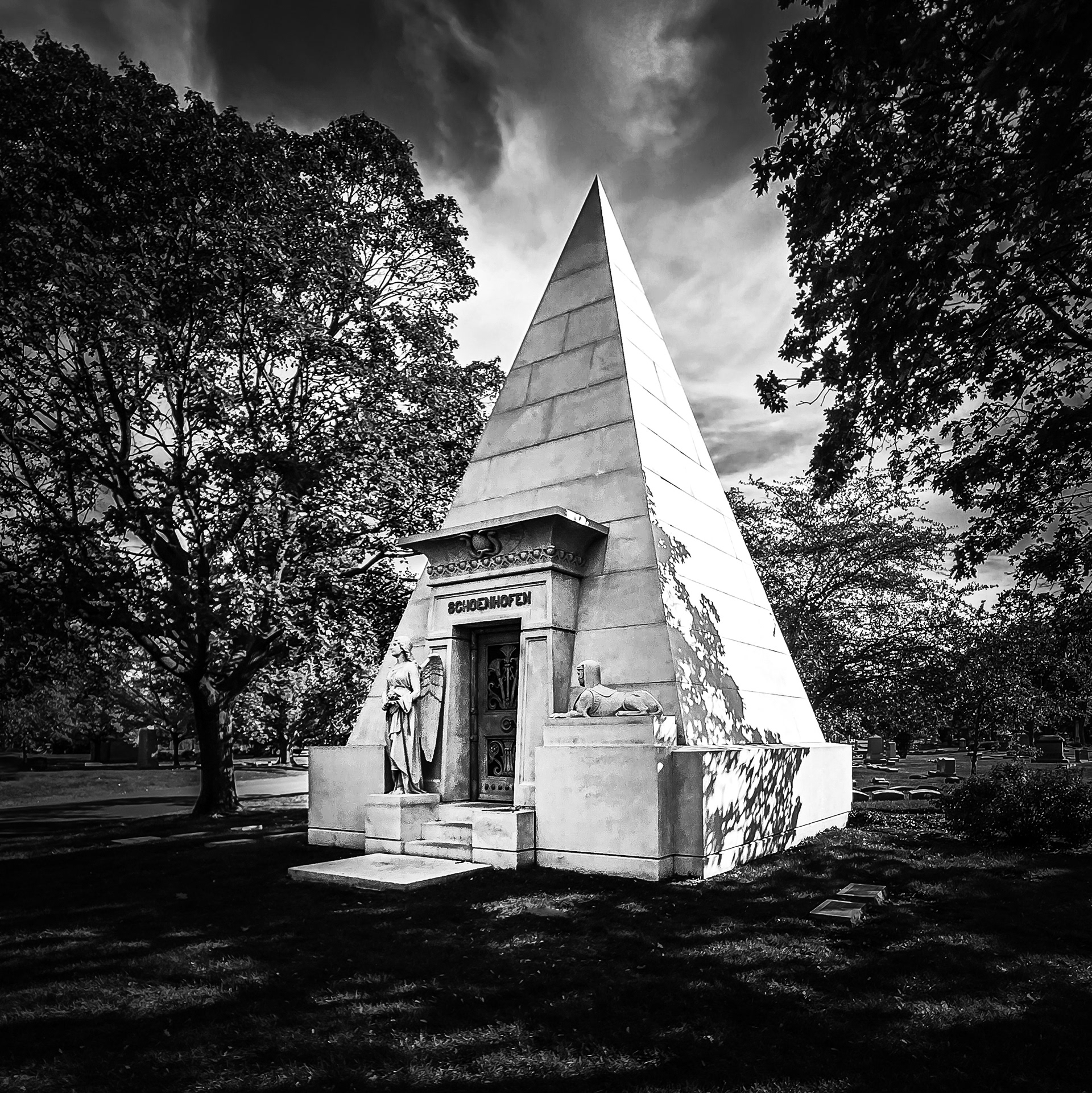
Throughout the grounds, elaborate mausoleums, classical columns, obelisks, angels, carved figures, and imposing family monuments represent an astonishing variety of architectural styles. Some are grand and almost theatrical, while others are quiet, mysterious, or deeply intimate. Among the cemetery’s best-known works is the haunting sculpture Eternal Silence by Lorado Taft, whose hooded bronze figure has become one of Graceland’s most unforgettable images.
I have photographed this cemetery since my early twenties, when I acquired my first serious camera. Over the years, I have returned again and again, drawn not only to the monuments themselves but also to the constantly changing relationship among stone, sculpture, trees, shadows, and light. On each visit, I always find something new or discover a different perspective on something I have photographed many times before.
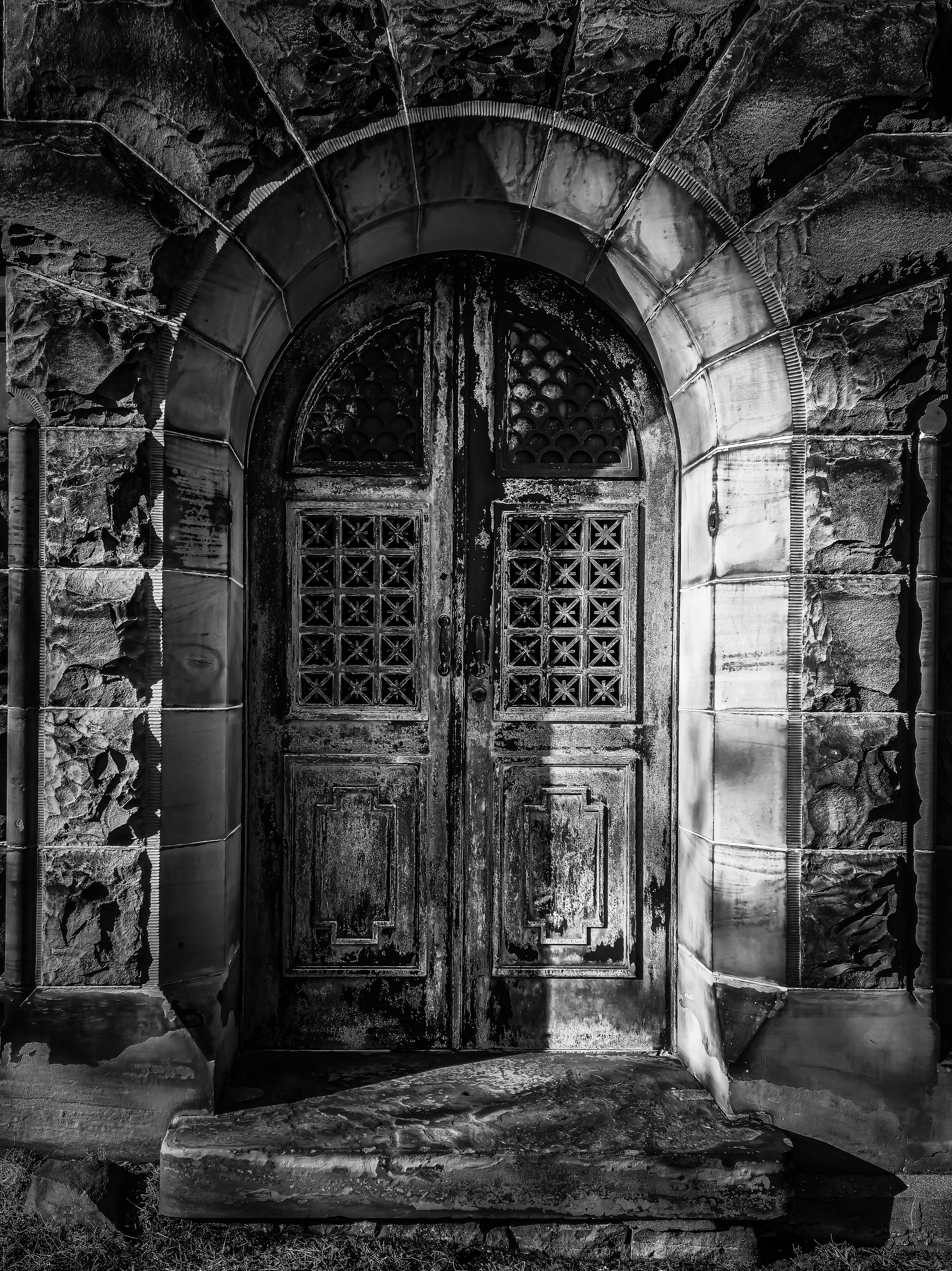
Stripped of color, the architecture and sculpture become more elemental. Form, texture, weathered stone, deep shadows, and brilliant sunlight move to the foreground. The cemetery becomes a landscape suspended between history and the present, permanence and decay, remembrance and disappearance. Even after decades of photographing Graceland, it remains a place that never seems fully familiar.